From Wearable Tech to Seamless Extension: The Evolution of Smart Devices
The wearable technology landscape has undergone a profound paradigm shift. We have moved far beyond the era where smartwatches were simply secondary screens that mirrored smartphone notifications. Today, the design philosophy centers on “ambient computing”—creating devices so seamlessly integrated into our daily routines that we forget they are actively functioning. This evolution marks the transition from active, intrusive technology to passive, supportive ecosystems that anticipate user needs before they are explicitly articulated.
The Disappearance of the Interface
Modern wearable developers are heavily invested in reducing friction. Instead of forcing users to navigate complex menus on a tiny screen, intuitive gestures, contextual awareness, and advanced machine learning algorithms have taken over. By learning your daily habits, a smartwatch can automatically adjust its display brightness, surface relevant calendar events just as you wake up, or prepare your transit card as you approach a subway turnstile. The goal is zero-touch interaction, allowing the technology to fade into the background while delivering maximum utility.
- Contextual Awareness: Devices utilize spatial mapping, time-of-day algorithms, and location data to predict the exact application or widget you need at any given moment.
- Haptic Feedback Languages: Instead of looking at a screen, users are trained to recognize specific vibration patterns for different types of alerts, enabling completely screen-free communication.
- Predictive Analytics: By analyzing historical data, the watch can preemptively suggest actions, such as starting a workout when an elevated heart rate and specific movement patterns are detected.

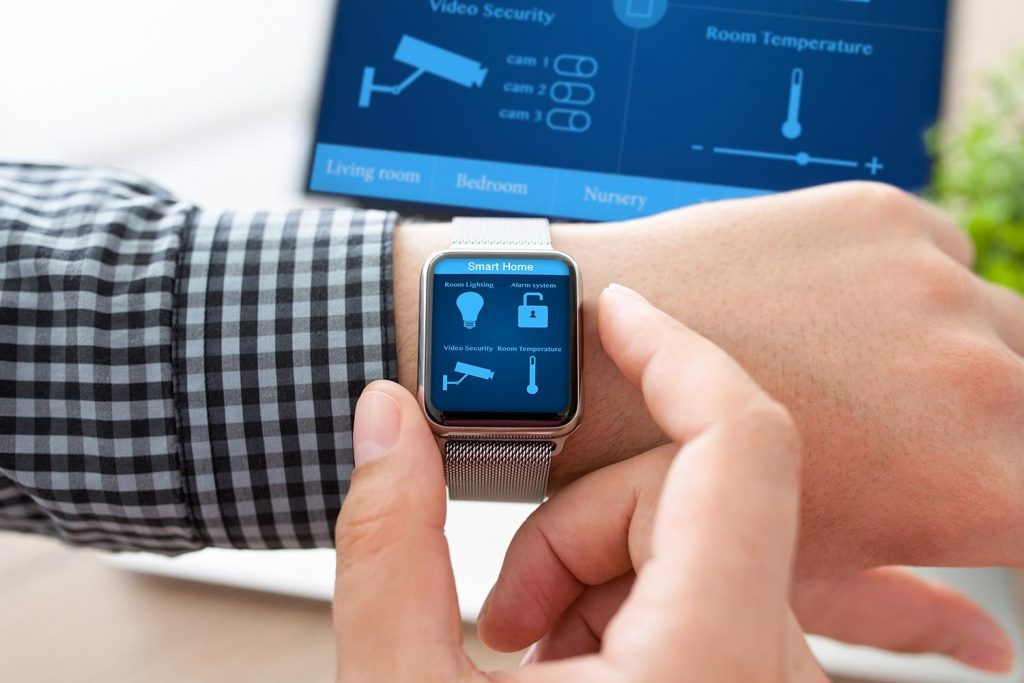
Unlocking a Seamless Smart Home Experience with Your Smartwatch
For years, controlling a smart home meant navigating a labyrinth of smartphone apps or shouting voice commands at smart speakers across the room—often with mixed results. The modern smartwatch solves this by placing the control hub directly on your wrist, providing a localized, highly reliable command center for your entire Internet of Things (IoT) ecosystem. With the widespread adoption of the Matter protocol, smartwatches can now communicate across previously walled gardens, unifying Apple HomeKit, Google Home, and Amazon Alexa devices under one interface.
Voice Commands vs. Haptic Triggers
While voice assistants remain a primary method for interacting with smart home devices via the wrist, the integration of ultra-wideband (UWB) technology and haptic triggers has revolutionized proximity-based controls. Imagine walking into your living room and having your watch gently vibrate, indicating that it has connected to the room’s lighting system. A simple twist of the digital crown can then dim the lights, all without a single spoken word or screen tap.
To fully optimize your smart home experience using a wearable, it is crucial to establish automated routines. These routines allow a single action on your watch to trigger a cascade of events across your home.
- The “Good Morning” Sequence: A single tap on your watch face upon waking can disarm the security system, open the motorized blinds, and start the coffee maker.
- Proximity Unlocking: Utilizing NFC and UWB, your smartwatch acts as a secure digital key, automatically unlocking smart deadbolts as your hand approaches the door handle.
- Climate Control on the Fly: Built-in temperature sensors on the watch can communicate with your smart thermostat, adjusting the room temperature based on your current body heat and comfort levels.

Controlling Fragmented Information: Say Goodbye to the Phone-Down Tribe
We live in an era of unprecedented digital fragmentation, constantly bombarded by an endless stream of notifications, emails, and social media alerts. This phenomenon has given rise to the “phone-down tribe”—individuals desperately seeking ways to disconnect from their smartphones to reclaim their attention spans. Paradoxically, the solution to smartphone addiction is not necessarily abandoning technology, but rather utilizing a smartwatch to intelligently filter and control the flow of information.
The Art of Notification Triage
A properly configured smartwatch acts as a digital gatekeeper. By stripping away the addictive elements of a smartphone—such as infinite scrolling feeds and vibrant, engaging apps—a watch forces interactions to be brief and purposeful. You can configure your wearable to only allow “VIP” notifications to break through, ensuring that a buzz on your wrist genuinely requires your immediate attention. All other digital noise is silently archived for later review.
This systematic filtering mechanism significantly reduces screen time and the compulsive need to check a phone. When you receive a text message, a quick glance at your wrist allows you to absorb the information and dismiss it in milliseconds, preventing the common trap of unlocking a phone for a text and accidentally spending an hour on social media.

A Complete Guide to Choosing Smartwatches with Health Monitoring Functions
Health and wellness tracking has arguably become the most critical value proposition of the modern smartwatch. What began as rudimentary step counting has evolved into clinical-grade biometric monitoring. Today’s flagship devices are equipped with sophisticated sensor arrays capable of detecting early signs of atrial fibrillation, measuring blood oxygen saturation, and providing deep insights into sleep architecture. Choosing the right device requires a clear understanding of what these sensors actually do and how they align with your personal health goals.
Understanding Advanced Biometrics
The accuracy of wrist-based health monitoring relies heavily on the quality of the optical sensors and the algorithms processing the data. Photoplethysmography (PPG) sensors use light to measure blood flow, determining heart rate and variability. Meanwhile, electrical heart sensors allow users to take on-demand electrocardiograms (ECGs). It is important to note that while these devices are incredibly advanced, they serve as wellness tools rather than definitive medical diagnostic equipment.
Below is a breakdown of the core health monitoring technologies you should look for when selecting a smartwatch:
| Sensor Technology | Primary Function | Key Health Benefit |
|---|---|---|
| Optical Heart Rate (PPG) | Continuous heart rate tracking | Monitors cardiovascular load and resting heart rate trends. |
| Electrocardiogram (ECG) | Electrical heart rhythm analysis | Detects signs of Atrial Fibrillation (AFib) and irregular rhythms. |
| Pulse Oximeter (SpO2) | Blood oxygen saturation | Assesses respiratory health and potential sleep apnea indicators. |
| Skin Temperature Sensor | Basal body temperature tracking | Aids in advanced cycle tracking and early illness detection. |

Why You Must Choose a Smartwatch with NFC Payment Capabilities
In an increasingly cashless society, convenience and security are paramount. Near Field Communication (NFC) technology has transformed smartwatches into secure digital wallets, allowing users to make retail purchases and access public transit systems with a simple flick of the wrist. If you are investing in a smartwatch today, ensuring it has robust NFC payment capabilities is non-negotiable, as it fundamentally alters how you move through the world.
The Security Mechanics of Wrist-Based Payments
A common misconception is that storing credit card information on a watch is inherently risky. In reality, smartwatch payments utilize a process called tokenization. When you add a card to Apple Pay, Google Wallet, or Garmin Pay, the actual card number is never stored on the device or shared with the merchant. Instead, a unique, encrypted digital token is generated. Furthermore, these systems require strict authentication; the payment feature is instantly disabled the moment the watch’s biometric sensors detect it has been removed from your wrist.
- Frictionless Transit: Major cities worldwide have integrated NFC transit systems. Your watch can act as your ticket, allowing you to bypass kiosks and effortlessly tap through turnstiles.
- Emergency Reliance: Whether you are out for a run without your phone or you have misplaced your physical wallet, wrist-based NFC ensures you always have a secure payment method available.
- Offline Functionality: Because the encrypted token is stored locally on the secure element chip within the watch, you can complete transactions even if your watch is completely disconnected from your phone or cellular network.

Smart or Mechanical: It Depends on What You Want from a Watch
The debate between traditional mechanical timepieces and modern smartwatches is a clash of two distinct philosophies. Mechanical watches represent centuries of horological craftsmanship, engineering artistry, and heirloom longevity. They are autonomous, requiring no charging cables, and are immune to software obsolescence. Conversely, smartwatches are the ultimate utility tools, offering unparalleled connectivity and health insights, but with a finite lifespan dictated by battery degradation and operating system updates.
Finding the Right Balance for Your Lifestyle
Choosing between the two depends entirely on what you value most in a wrist-worn object. If you view a watch primarily as a statement piece, a mechanical watch offers a soul and permanence that a digital screen cannot replicate. However, if you prioritize quantifiable data regarding your health, daily productivity, and seamless integration with your digital life, the smartwatch is the undisputed champion.
For those torn between the two worlds, the hybrid smartwatch category offers a compelling compromise. These devices feature physical, mechanical hands sweeping over a hidden digital display, marrying the classic aesthetic of traditional horology with the essential biometric tracking and notification features of modern wearables.

Apple Watch Series 10 In-Depth Review: The 10th Anniversary Edition
Marking a decade of dominance in the wearable space, the Apple Watch Series 10 (often dubbed the “Watch X”) represents a significant milestone in Apple’s design and engineering trajectory. This 10th-anniversary edition brings a much-anticipated design overhaul, featuring a substantially thinner chassis and a revolutionary magnetic band attachment system that frees up internal space for a larger battery and new sensor arrays. The Series 10 is not just an iterative update; it is a recalibration of what the world’s most popular watch can achieve.
WatchOS 11 and Next-Generation Health Tracking
Powered by the highly efficient S10 silicon chip, the Series 10 introduces advanced machine learning capabilities processed entirely on-device, ensuring faster Siri responses and enhanced data privacy. The integration with watchOS 11 brings “Training Load” metrics, allowing athletes to see how the intensity of their workouts impacts their bodies over time. Furthermore, the rumored inclusion of non-invasive blood pressure trending and sleep apnea detection solidifies the Series 10 as a formidable clinical companion.
- Display Enhancements: The transition to a more power-efficient OLED panel (and potentially microLED in premium tiers) provides a brighter always-on display without sacrificing battery life.
- Magnetic Band System: By eliminating the traditional slide-in band mechanism, Apple has drastically reduced the device’s thickness, though this does render previous generations of watch bands incompatible.
- Advanced Siri Integration: With on-device processing, health queries can now be handled securely without pinging the cloud, allowing users to ask Siri for specific biometric trends instantly.

Garmin Vivoactive 6 Review in 2025: How Far Can a Mid-Range Sports Watch Go?
While the Apple Watch dominates the mainstream lifestyle segment, Garmin continues to rule the dedicated fitness and outdoor adventure market. The Garmin Vivoactive 6 hits the sweet spot for users who want serious athletic tracking without paying the premium price of the Fenix or Epix lines. In 2025, the Vivoactive 6 proves that “mid-range” no longer means compromising on core functionalities. It delivers a stunning AMOLED display, multi-band GPS for pinpoint accuracy, and Garmin’s legendary battery life that spans weeks rather than mere hours.
Mastering the
Written By

More From Author
Hardware Briefing Index
A quick orientation to dash cam, consumer electronics, business tech, automotive technology, and computer hardware…

The Ultimate Guide to Troubleshooting and Optimizing Dash Cam Video Playback on Your Computer
Dash cam footage is invaluable for insurance claims, incident reporting, and personal security, yet encountering…
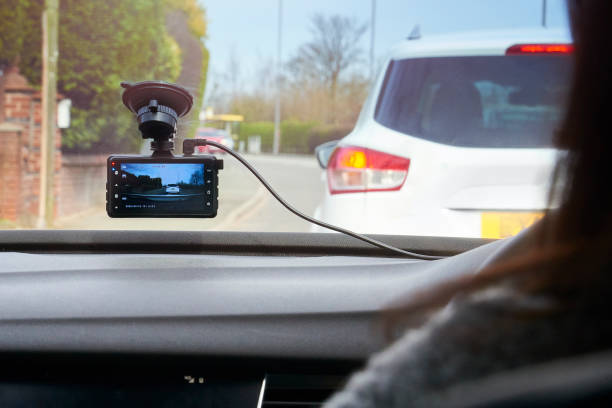
Ultimate Guide to Choosing and Using a Car Dash Cam
A comprehensive guide on selecting, installing, and utilizing modern dash cams for full-vehicle coverage, accident…