The Evolution of Wireless Audio: What Defines the Perfect Earbuds?
The transition from tethered wired headphones to true wireless stereo (TWS) earbuds represents one of the most significant leaps in consumer electronics over the past decade. However, the sheer volume of options available today has created a highly fragmented market, leaving consumers overwhelmed by technical jargon. Finding the perfect wireless earbuds is no longer just about acceptable sound quality; it is a complex matrix of evaluating ergonomic design, acoustic engineering, environmental durability, and seamless digital integration. The perfect pair of earbuds must act as an extension of the user, adapting to diverse environments ranging from silent offices to torrential rainstorms and high-impact athletic training.
To make an informed purchasing decision, one must look far beyond the marketing buzzwords printed on the box. True value lies in the granular details of the hardware and software architecture. This involves understanding the micro-components such as the size and material of the dynamic drivers, the specific algorithms used for active noise cancellation, the exact parameters of ingress protection (IP) ratings, and the intricacies of Bluetooth codecs. This comprehensive guide synthesizes all these critical elements, providing you with a rigorous analytical framework to evaluate any audio wearable on the market.
The Core Pillars of Wearable Audio Selection
When assessing wireless earbuds, the evaluation process should be systematically divided into four distinct pillars: acoustic performance, physical durability, alternative transmission technologies, and user-centric features. Acoustic performance encompasses everything from driver tuning to frequency response curves, ensuring that the audio reproduction meets your personal critical listening standards. Physical durability dictates how well the device will survive your specific lifestyle, heavily relying on standardized waterproof and dustproof ratings. Alternative technologies, such as bone conduction, offer specialized solutions for niche use cases where traditional air-conduction earbuds fail to provide the necessary safety or comfort. Finally, user-centric features cover the daily operational mechanics, including battery efficiency, control interfaces, and connectivity stability.

Decoding Waterproof Ratings: How to Choose Earbuds for Swimming and Sports
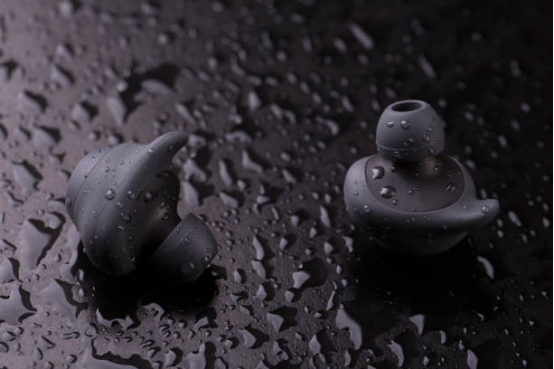
For athletes, swimmers, and outdoor enthusiasts, moisture is the primary enemy of complex electronic circuitry. The durability of wireless earbuds against water and dust is universally measured using the Ingress Protection (IP) rating system, established by the International Electrotechnical Commission (IEC). An IP rating typically consists of two numbers (e.g., IP67). The first digit represents protection against solid particles like dust and sand, while the second digit indicates the level of protection against liquid ingress. When the first digit is replaced by an “X” (e.g., IPX7), it simply means the device was not formally tested for dust resistance, though it inherently possesses some level of physical sealing due to its high water resistance.
Understanding the exact thresholds of these ratings is non-negotiable for users intending to expose their earbuds to sweat, rain, or total submersion. A common misconception is that any “water-resistant” label implies the device can be used for swimming. In reality, anything below an IPX7 rating is strictly for surface-level moisture exposure. Sweating heavily during a marathon or running through a light drizzle requires at least an IPX4 rating, which protects against splashing water from any direction. However, if you are a swimmer looking to enjoy music underwater, the engineering requirements shift drastically.
The Physics of Underwater Audio and IPX Standards
To safely use earbuds for swimming, you must seek out devices with an IPX7 or IPX8 rating. An IPX7 rating guarantees that the earbuds can survive submersion in water up to 1 meter deep for exactly 30 minutes. While this is sufficient for accidental drops into a puddle or wearing them in the shower, it is often inadequate for prolonged lap swimming. For serious aquatic athletes, an IPX8 rating is the gold standard. Devices with an IPX8 rating are tested for continuous immersion in water deeper than 1 meter, with the exact depth and duration specified by the manufacturer. These earbuds feature specialized hydrophobic nano-coatings and hermetically sealed acoustic chambers to prevent water pressure from rupturing the internal drivers.
Beyond the physical sealing, there is a massive technological hurdle regarding underwater audio: the limitation of Bluetooth frequencies. Bluetooth operates on a 2.4GHz radio frequency, which is heavily absorbed by water molecules. Therefore, a Bluetooth signal will completely degrade within just a few inches of submersion, rendering standard wireless streaming from a poolside smartphone impossible. To combat this, true waterproof swimming earbuds must feature built-in local storage. By incorporating an internal MP3 player, the earbuds can store gigabytes of audio files directly on the device, entirely bypassing the need for a Bluetooth connection while submerged.
| IP Rating | Water Protection Level | Ideal Use Case |
|---|---|---|
| IPX4 | Splashing water from any direction | Light gym workouts, jogging in light rain |
| IPX5 | Low-pressure water jets | Heavy sweating, cycling in heavy rain |
| IPX7 | Submersion up to 1 meter (30 mins) | Showering, accidental drops in water |
| IPX8 | Continuous submersion beyond 1 meter | Lap swimming, water sports (requires built-in MP3) |

Essential Features Every Premium Wireless Earbud Should Have
Moving beyond the physical durability of the hardware, the daily user experience of wireless earbuds is heavily dictated by the integration of smart features. As the market matures, certain functionalities have transitioned from luxury add-ons to absolute necessities. When evaluating a potential purchase, it is vital to scrutinize how the earbuds handle user interaction, environmental awareness, and multi-device management. The absence of these modern conveniences can quickly turn a high-fidelity audio device into a frustrating burden during daily commutes or intensive work sessions.
One of the most critical elements is the control interface. Earbuds typically utilize either capacitive touch sensors or physical tactile buttons. Touch controls offer a sleek, futuristic aesthetic and prevent the uncomfortable sensation of pushing the earbud deeper into your ear canal when executing a command. However, touch sensors can be overly sensitive, leading to accidental triggers when adjusting the fit, and they often fail to register inputs from sweaty fingers or gloves. Conversely, physical buttons provide definitive tactile feedback and reliable operation in all weather conditions, making them the preferred choice for sports-oriented models.
Advanced Sensor Integration and Smart Pausing
Premium wireless earbuds now heavily rely on integrated optical sensors and accelerometers to create a seamless user experience. Wear detection, often referred to as smart pausing, utilizes these optical sensors to detect whether the earbud is currently seated in the ear canal. The moment you remove an earbud to speak to a colleague or listen to an announcement, the music automatically pauses. Upon reinsertion, playback resumes instantly. This feature not only enhances convenience but also significantly conserves battery life by preventing the earbuds from playing audio into an empty room.
Multipoint Connectivity: The Ultimate Productivity Tool
For professionals managing multiple devices, Bluetooth Multipoint is an indispensable feature. Historically, switching a pair of wireless earbuds from a smartphone to a laptop required a tedious process of disconnecting from the first device, entering pairing mode, and connecting to the second. Multipoint technology allows the earbuds to maintain simultaneous active connections with two separate devices. You can be listening to a video presentation on your laptop, and if a phone call comes in on your mobile device, the earbuds will automatically intelligently switch the audio feed to the phone, and then revert to the laptop once the call is terminated.

Battery Life, Charging, and Connectivity Standards
The transition to true wireless audio introduced a fundamental anxiety for users: battery life. Unlike wired headphones that draw power directly from the source device, wireless earbuds are entirely dependent on their internal micro-batteries and the supplementary power provided by their charging cases. Evaluating battery performance requires looking at two distinct metrics: the continuous playback time of the earbuds on a single charge, and the total playback time yielded by the charging case’s reserve power. A premium pair of earbuds should offer a minimum of 6 to 8 hours of continuous playback, with the case providing an additional 24 to 30 hours.
However, advertised battery life is heavily influenced by how the earbuds are used. Activating Active Noise Cancellation (ANC) or high-resolution audio codecs can drain the battery up to 30% faster than standard listening modes. Therefore, fast-charging capabilities have become a critical fallback feature. High-quality models now feature rapid-charge technology via USB-C, where a mere 10-minute stint in the charging case can yield up to 2 hours of playback time. Additionally, Qi wireless charging integration in the case offers supreme convenience, allowing users to simply drop the case on a charging mat at their desk or bedside.
Bluetooth Codecs: The Bridge Between Device and Earbud
The stability of your connection and the resolution of your audio are entirely dependent on the Bluetooth protocol and the specific codecs supported by both your source device and the earbuds. Bluetooth 5.2 and 5.3 are the current modern standards, offering vastly improved signal stability, lower power consumption, and significantly reduced audio-visual latency compared to older generations. This low latency is particularly crucial for users who watch video content or play mobile games, ensuring that the audio perfectly syncs with the on-screen action.
Audio codecs act as the digital language used to compress and transmit the audio file over the air. The standard baseline codec supported by all devices is SBC (Subband Codec), which offers acceptable but highly compressed audio. Apple users must ensure their earbuds support AAC (Advanced Audio Coding), as this is the primary high-quality codec utilized by iOS devices. For Android users and audiophiles, seeking out high-resolution codecs like aptX Adaptive, aptX HD, or LDAC is vital. These advanced codecs allow for much higher bitrates, transmitting more data per second and resulting in a richer, more detailed, and less compressed soundstage that closely mimics wired high-fidelity audio.

The Science of Bone Conduction Technology
While traditional earbuds and headphones rely on air conduction—pushing sound waves through the air, down the ear canal, and into the eardrum—bone conduction technology represents a radical paradigm shift in acoustic delivery. Originally developed for military communication and medical hearing aids, bone conduction bypasses the outer and middle ear entirely. Instead of utilizing standard dynamic speaker drivers, these devices employ sophisticated electromechanical piezoelectric transducers. These transducers rest gently against the user’s cheekbones, just in front of the ear.
When an audio signal is received, the transducers convert the electrical impulses into microscopic mechanical vibrations. These vibrations are transmitted directly through the temporal bones of the skull, bypassing the tympanic membrane (eardrum) and traveling straight to the cochlea (the inner ear). The cochlea then translates these vibrations into nerve impulses that the brain interprets as sound. This remarkable biomechanical shortcut allows the user to perceive clear, full-bodied audio while leaving their ear canals completely open and unobstructed.
The Biomechanical Advantages of Bypassing the Eardrum
The physiological mechanism of bone conduction offers several profound advantages. First, because the eardrum is not involved in the transmission process, individuals with certain types of conductive hearing loss—where damage to the outer or middle ear prevents sound from reaching the inner ear—can often experience clear audio using bone conduction devices. It effectively routes the sound around the damaged biological components. Furthermore, this method eliminates the physical fatigue and pressure buildup commonly associated with inserting silicone tips deep into the ear canal, drastically improving long-term wearing comfort.
- Open-Ear Architecture: The ear canal remains entirely unblocked, allowing ambient environmental sounds to enter naturally.
- Hygiene and Ear Health: Eliminates the risk of ear infections and wax impaction caused by trapping moisture and bacteria inside the ear canal with traditional silicone tips.
- Secure Ergonomic Fit: Typically designed with a wraparound titanium band that grips the head securely, ensuring they never fall out during violent physical movements.

Who Should Buy Bone Conduction Headphones?
Despite the fascinating technology behind bone conduction, it is not a universal replacement for traditional earbuds. The unique acoustic properties of bone conduction create specific strengths and inherent limitations, making these devices highly specialized tools rather than general-purpose audiophile gear. The primary selling point of bone conduction is absolute situational awareness. Because the ears are left completely open, users can hear approaching traffic, conversations, nature sounds, and environmental hazards with zero acoustic impedance.
This makes bone conduction headphones the undisputed champion for outdoor athletes. Urban runners and road cyclists face significant safety risks when their hearing is isolated by traditional earbuds, even those with software-based “transparency modes” which can sometimes sound artificial or fail to accurately convey the directionality of an approaching vehicle. With bone conduction, the acoustic integration of music and the real world is biologically seamless. Furthermore, they are highly favored in professional office environments where employees want to listen to background music or podcasts without appearing unapproachable or missing out on verbal cues from colleagues.
Understanding the Acoustic Limitations
Prospective buyers must be acutely aware of the acoustic trade-offs inherent in bone conduction technology. Because the sound is delivered via bone vibration rather than air pressure, the frequency response is naturally constrained. The most noticeable deficit is in the lower frequencies; bone conduction headphones cannot produce the deep, visceral sub-bass punch that a traditional dynamic driver can deliver. Attempting to push heavy bass through bone conduction often results in a tickling sensation on the cheekbones rather than a satisfying audio thump.
Additionally, bone conduction devices are susceptible to sound leakage. Since the transducers are vibrating against the skin, some of that mechanical energy is inevitably transferred to the surrounding air, meaning people sitting very close to you in a quiet room might hear a faint tinny sound. Therefore, if your primary goal is immersive, audiophile-grade critical listening in a noisy airplane cabin, or if you demand thumping bass for your gym playlist, traditional noise-canceling earbuds remain the superior choice.

Demystifying Frequency Response: The Secret to High-Fidelity Audio
To truly judge the acoustic capabilities of a pair of wireless earbuds, one must look past subjective marketing terms like “crystal clear highs” and “booming bass” and examine the objective data: the frequency response. Frequency response is arguably the most critical technical specification in audio engineering. It represents the exact range of sound frequencies that a headphone’s driver can reproduce, measured in Hertz (Hz). The standard human hearing range spans from a deep, rumbling 20Hz up to a piercing 20,000Hz (20kHz). A high-quality pair of earbuds should theoretically be capable of reproducing this entire spectrum accurately.
However, simply covering the 20Hz-20kHz range is not enough; the crucial factor is *how* the earbuds reproduce each frequency within that range. When audio engineers measure frequency response, they plot the data on a graph. The X-axis represents the frequencies (from low bass on the left to high treble on the right), and the Y-axis represents the amplitude or volume level (measured in decibels, dB). The resulting line drawn across this graph is known as the frequency response curve. This curve visually maps out the unique “voice” or tuning of the earbuds, revealing exactly which parts of the audio spectrum the manufacturer has chosen to emphasize or recess.
Breaking Down the Audio Spectrum
To comprehend a frequency response curve, you must understand how the human ear interprets different frequency bands. By dissecting the spectrum, you can predict exactly how a pair of earbuds will sound before you even put them in your ears.
- Sub-Bass (20Hz – 60Hz): These are the frequencies you feel more than you hear. This range contains the deep rumble in cinematic explosions and the lowest synthesized drops in electronic dance music. Strong sub-bass provides a sense of physical weight to the audio.
- Mid-Bass (60Hz – 250Hz): This is the punchy, rhythmic foundation of most music. It encompasses the fundamental notes of bass guitars and the impact of kick drums. Over-emphasizing this range can make the audio sound “muddy” or “boomy,” bleeding into the vocals.
- Midrange (250Hz – 4kHz): The absolute core of human hearing. This range contains almost all human vocals, main guitars, pianos, and the fundamental melodies of most instruments. A recessed midrange will make singers sound distant and hollow, while a well-tuned midrange ensures vocal clarity and natural timbre.
- Treble (4kHz – 20kHz): The high frequencies dictate the crispness and detail of the audio. This range includes the crash of cymbals, the pluck of acoustic guitar strings, and the sharp consonants in speech. Good treble extension provides a sense of “airiness” and spatial resolution, but excessively boosted treble can cause listening fatigue and piercing sibilance (harsh “S” sounds).

Sound Signatures Explained: Finding Your Perfect Audio Profile
Because perfect, mathematically flat audio reproduction is rarely preferred by the average consumer, audio engineers intentionally manipulate the frequency response curve to create specific “sound signatures.” A sound signature is the overarching personality of the earbuds. Understanding these signatures is the key to matching a pair of earbuds to your preferred musical genres and personal listening tastes. There is no objectively “best” sound signature; it is entirely subjective and dependent on what you want to extract from your music.
Manufacturers often spend millions on acoustic research to develop proprietary tunings that appeal to their target demographics. Some brands target the mass market with highly colored, exciting sound profiles, while others cater to audiophiles who demand strict accuracy and uncolored audio reproduction. Recognizing these profiles on a frequency response graph allows you to cut through the marketing noise and find the exact sound you crave.
The Four Dominant Sound Signatures
When analyzing the market, almost all wireless earbuds fall into one of four primary sound signature categories. Knowing which one aligns with your preferences will drastically narrow down your purchasing options.
- The V-Shaped Signature: The most popular consumer tuning. The frequency response curve looks like a “V,” meaning the bass and treble are significantly boosted while the midrange is recessed. This creates a highly energetic, “fun” sound that makes pop, hip-hop, and EDM sound incredibly dynamic and punchy. However, vocals may get slightly lost behind the booming bass and sparkling highs.
- The Neutral / Flat Signature: The holy grail for audiophiles and audio engineers. The frequency response curve is as flat as possible, meaning no frequency band is artificially boosted or cut. The earbuds reproduce the audio exactly as it was recorded in the studio. While highly accurate and revealing of micro-details, casual listeners might find a flat signature “boring” or lacking in bass impact.
- The Bass-Heavy Signature: Frequently found in workout-oriented earbuds. The lower frequencies are aggressively elevated to provide maximum thump and rhythm, which is psychologically proven to boost adrenaline and pacing during exercise. The trade-off is often a severe loss of detail in the higher frequencies and a muddy midrange.
- The Harman Target Curve: Developed through extensive acoustic research by Harman International, this signature aims to replicate the sound of high-end loudspeakers in a highly treated acoustic room, translated into headphones. It features a slight bass boost and a carefully contoured upper midrange and treble. It is widely considered the most universally pleasing sound signature for the majority of human ears.
Written By

More From Author
Hardware Briefing Index
A quick orientation to dash cam, consumer electronics, business tech, automotive technology, and computer hardware…

The Ultimate Guide to Troubleshooting and Optimizing Dash Cam Video Playback on Your Computer
Dash cam footage is invaluable for insurance claims, incident reporting, and personal security, yet encountering…

Ultimate Guide to Choosing and Using a Car Dash Cam
A comprehensive guide on selecting, installing, and utilizing modern dash cams for full-vehicle coverage, accident…