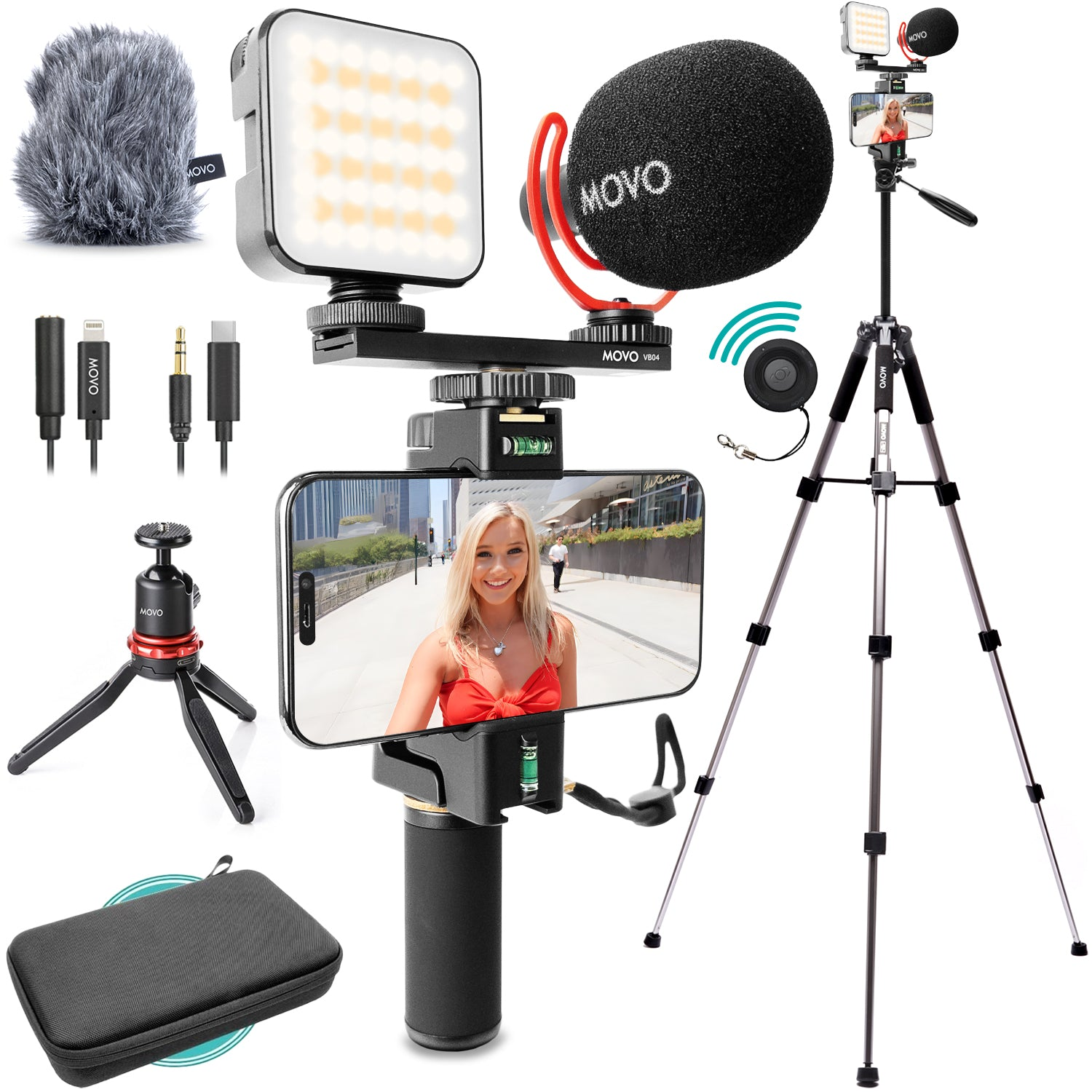
Unlocking Professional-Grade Mobile Filmmaking
The landscape of content creation has undergone a dramatic transformation, with smartphones at the forefront of this revolution. What began as simple point-and-shoot devices has evolved into powerful tools capable of capturing stunning visuals. However, even with advanced computational photography, inherent limitations persist, particularly in the realm of cinematic videography. This is where the concept of a dedicated mobile photography accessory comes into play, aiming to bridge the gap between convenience and professional output. The ultimate photography accessory of 2025 promises to transcend these limitations, turning your ubiquitous iPhone into a sophisticated pocket movie camera. This isn’t just about adding a lens; it’s about integrating optical excellence, advanced stabilization, and intuitive control into a seamless ecosystem that empowers creators to tell their stories with unparalleled visual fidelity.
The Evolution of Smartphone Cameras and Their Limitations
Modern iPhones boast incredible camera sensors, high megapixel counts, and sophisticated software processing. They excel in daylight conditions and are increasingly capable in low light. Yet, for serious videography, several challenges remain. The fixed focal lengths of built-in lenses restrict creative options, digital zoom often compromises quality, and the lack of true optical depth can make footage appear flat. Furthermore, while in-body sensor-shift stabilization is impressive, it often falls short of the fluid, dynamic motion achievable with dedicated gimbals or professional camera rigs. Understanding these limitations is crucial to appreciating the value proposition of a next-generation accessory designed to overcome them.
The “Why” Behind External Accessories: Bridging the Pro-Consumer Gap
The drive for external accessories stems from a fundamental desire to push creative boundaries beyond stock hardware. Professional filmmakers rely on interchangeable lenses, robust stabilization systems, and precise control over every aspect of their shot. While an iPhone can’t replicate a full cinema camera, an intelligently designed accessory can mimic key functionalities. It allows for optical magnification without quality loss, introduces shallow depth of field, enhances light gathering, and provides physical controls that are more tactile and responsive than touchscreen gestures. This accessory is designed not just to augment, but to fundamentally elevate the iPhone’s videography capabilities, making professional-level results accessible to a broader audience.

Key Features and Technological Innovations
The core of this revolutionary accessory lies in its blend of cutting-edge optics and intelligent engineering. It’s designed to deliver a comprehensive upgrade to the iPhone’s native camera system, focusing on aspects critical for cinematic quality. From precision-engineered lenses to advanced stabilization mechanisms, every component works in synergy to transform the mobile filmmaking experience.
The Cine Lens Advantage: Optical Clarity and Depth
At the heart of the accessory is a specialized “Cine Lens.” Unlike standard photographic lenses, cine lenses are optimized for video recording, prioritizing minimal focus breathing, consistent aperture, and superior optical quality across the entire frame. This particular cine lens offers a wider aperture for excellent low-light performance and beautiful bokeh, creating a shallow depth of field that separates subjects from their backgrounds—a hallmark of professional cinema. Its multi-coated elements reduce flare and ghosting, ensuring crystal-clear images with accurate color reproduction. The ability to precisely control focus and aperture, often through tactile rings, provides a level of creative command previously unavailable on smartphones.
Gimbal-Level Stability in Your Pocket: Advanced Stabilization Technology
Smooth, stable footage is paramount for cinematic appeal. This accessory integrates advanced stabilization technology that goes beyond what an iPhone’s internal OIS (Optical Image Stabilization) or EIS (Electronic Image Stabilization) can offer. It employs a multi-axis mechanical stabilization system, similar to professional gimbals, but miniaturized and seamlessly integrated. This system actively counters camera shake and unwanted motion, allowing users to capture fluid tracking shots, steady pans, and smooth handheld footage even in dynamic environments. The result is buttery-smooth video that looks like it was shot on a high-end production rig, eliminating distracting jitters and bumps.
Seamless Integration and User Experience
Beyond the technical prowess, the accessory emphasizes user experience. Its compact and lightweight design ensures portability, making it an ideal companion for on-the-go creators. Intuitive controls, often physical buttons or dials, provide quick access to critical settings like focus, exposure, and white balance, reducing reliance on touchscreen menus during crucial moments. Real-time monitoring through the iPhone’s display, coupled with a robust, long-lasting battery, ensures creators can focus on their craft without interruption. Compatibility across all modern iPhone models ensures a broad user base can benefit from this innovation.

Operational Details: Getting Started and Mastering Your Shots
Deploying this advanced mobile movie camera accessory is straightforward, yet mastering its full potential requires understanding its operational nuances. This section provides a step-by-step guide to setup and offers insights into maximizing your cinematic output.
Step-by-Step Setup and Initial Configuration
- Mounting the Accessory: Securely attach the accessory to your iPhone using its dedicated mounting mechanism. Ensure a snug fit to prevent any movement that could affect stabilization or optical alignment.
- App Integration: Download and install the companion app, if required. This app often unlocks advanced features, manual controls, and facilitates firmware updates.
- Calibration: Perform initial calibration as per the manufacturer’s instructions. This might involve a quick sensor alignment or stabilization test to ensure optimal performance.
- Power On: Activate the accessory and ensure it’s properly communicating with your iPhone. Check battery levels before starting any significant shoot.
Maximizing Your Cinematic Potential: Pro Tips & Expert Advice
To truly elevate your mobile filmmaking, consider these expert recommendations:
- Manual Control is King: While auto modes are convenient, delve into manual settings for exposure, focus, and white balance. This gives you ultimate creative control over the look and feel of your footage.
- Composition Matters: Don’t forget the fundamentals of filmmaking. Apply rules like the rule of thirds, leading lines, and symmetry. The best gear won’t make a bad composition good.
- Lighting is Crucial: Even with a wide-aperture cine lens, good lighting is indispensable. Utilize natural light effectively or invest in portable LED lights for professional results.
- Sound Design: Visuals are only half the story. Invest in an external microphone for clear, crisp audio. This accessory might have a dedicated mic input or integrate with existing iPhone mic solutions.
- Post-Production Workflow: Edit your footage using professional mobile editing apps or transfer to a desktop NLE (Non-Linear Editor). Color grading, sound mixing, and precise cuts elevate raw footage into a polished film.
- Practice Dynamic Movement: Experiment with different camera movements made possible by the advanced stabilization – tracking shots, subtle pushes, and dramatic pulls can add significant production value.
Comparative Analysis: Mobile Accessory vs. Traditional Gear
Understanding where this innovative iPhone accessory stands in the broader landscape of filmmaking equipment is crucial. While it doesn’t aim to fully replace high-end cinema cameras, it offers a compelling alternative for specific use cases.
| Feature | iPhone Accessory (e.g., Cine Lens + Stabilizer) | Traditional Mirrorless/DSLR Setup | Dedicated Cinema Camera |
|---|---|---|---|
| Portability | Extremely High (Pocket-sized) | Medium (Requires bag, multiple lenses) | Low (Large, heavy, extensive rigging) |
| Cost | Low to Medium (Accessory + iPhone) | Medium to High (Body + Lenses) | Very High (Body + Lenses + Rigging) |
| Image Quality | Excellent (Near-professional, especially in good light) | Superior (Large sensors, wide dynamic range) | Ultimate (Uncompressed RAW, specific color science) |
| Stabilization | Advanced (Gimbal-level mechanical) | Good (In-body IS, lens IS, external gimbals) | Excellent (Rigging, external gimbals, steadycams) |
| Ease of Use | Very High (Intuitive, smartphone integration) | Medium (Learning curve for settings, menus) | Low (Complex menus, specialized knowledge) |
| Workflow | Seamless (Direct to phone, cloud) | Requires card transfer, desktop editing | Specialized ingest, powerful NLEs |
| Target User | Vloggers, content creators, enthusiasts, mobile journalists | Advanced hobbyists, semi-pros, indie filmmakers | Professional filmmakers, studio productions |
The Future of Mobile Filmmaking and Content Creation
The introduction of such a sophisticated iPhone accessory is not merely an incremental upgrade; it represents a significant leap forward in the democratization of filmmaking. It signifies a future where the line between professional and consumer-grade equipment continues to blur, driven by innovation in both hardware and software.
Democratizing Professional Tools
Historically, access to high-quality filmmaking tools was restricted by exorbitant costs and complex operation. Accessories like this empower a new generation of creators who might not have the budget or technical expertise for traditional cinema cameras. They enable students, independent artists, and small businesses to produce visually stunning content that competes with larger productions, fostering a more diverse and dynamic creative landscape.
Trends and What’s Next for iPhone Videography
Looking ahead, we can anticipate further advancements. Integration with AI could lead to even smarter stabilization, automated cinematic effects, and intelligent scene recognition. Modular designs might allow for quick swapping of different cine lenses (e.g., anamorphic,
Written By

More From Author
Hardware Briefing Index
A quick orientation to dash cam, consumer electronics, business tech, automotive technology, and computer hardware…

The Ultimate Guide to Troubleshooting and Optimizing Dash Cam Video Playback on Your Computer
Dash cam footage is invaluable for insurance claims, incident reporting, and personal security, yet encountering…
Ultimate Guide to Choosing and Using a Car Dash Cam
A comprehensive guide on selecting, installing, and utilizing modern dash cams for full-vehicle coverage, accident…