The Evolution of Smart Furniture in Modern Homes
The concept of the modern home has undergone a radical transformation over the past decade. What once consisted of static, purely functional pieces of wood and fabric has now evolved into a dynamic, interconnected ecosystem. Smart furniture bridges the gap between traditional interior design and cutting-edge technology, offering homeowners unprecedented levels of convenience, health benefits, and environmental control. As we move further into the era of the Internet of Things (IoT), everyday items like dining tables and living room sofas are being reimagined not just as places to sit or eat, but as central command stations for daily life.
Bridging the Gap Between Comfort and Technology
Historically, integrating technology into living spaces meant dealing with unsightly wires, bulky hardware, and complicated interfaces. Today’s smart furniture conceals robust technological capabilities within sleek, minimalist designs. The integration is seamless; a beautiful oak dining table may secretly house induction heating coils, while a luxurious leather sofa might contain biometric sensors and voice-activated control hubs. This invisible technology ensures that the aesthetic integrity of a room remains uncompromised while drastically enhancing its utility.
Understanding the underlying mechanisms of these innovations is crucial for consumers. The shift from passive furniture to active smart hubs requires a fundamental change in how we evaluate home investments. We are no longer just looking at durability and comfort; we must now consider connectivity protocols, power consumption, software updates, and long-term technological relevance.

Navigating the Smart Dining Table Market: Features That Matter
The dining room is often the heart of the home, a place for family gatherings, entertaining guests, and even remote work. The introduction of the smart dining table has revolutionized this space, offering features designed to enhance the dining experience while providing practical daily utility. However, with a myriad of options available, discerning which features offer genuine value versus those that are mere marketing gimmicks is essential.
Integrated Heating Systems: A Necessity or Luxury?
One of the most highly touted features in premium smart dining tables is integrated heating. This technology typically utilizes advanced graphene or carbon fiber heating elements embedded beneath a tempered glass or sintered stone surface. The primary goal is to keep food warm during long meals, eliminating the need for microwave reheating and ensuring that every bite is enjoyed at the optimal temperature.
When evaluating heating features, consumers must look beyond the basic promise of warmth and examine the technical specifications. High-quality tables offer zoned heating, allowing users to warm specific sections of the table while keeping others cool for drinks or salads. Additionally, safety mechanisms such as automatic shut-off timers and child-lock features are non-negotiable for households with young children.
- Temperature Range and Control: Look for tables that offer precise temperature adjustments, ideally ranging from 40°C to 80°C, to accommodate different types of dishes.
- Energy Efficiency: Graphene heating elements are generally more energy-efficient and heat up faster than traditional resistance wires, reducing electricity consumption.
- Surface Material Compatibility: Ensure the tabletop material is engineered to withstand frequent thermal cycling without cracking or warping over time.
Wireless Charging Capabilities and Connectivity
As the dining table increasingly doubles as a home office desk, built-in wireless charging has transitioned from a luxury to a necessity. Modern smart tables feature discreetly marked charging zones that utilize the Qi wireless charging standard. This allows users to simply place their smartphones, wireless earbuds, or even compatible laptops on the table to initiate charging, drastically reducing cable clutter.
However, the placement and power output of these charging pads are critical. A standard 5W charger will be frustratingly slow; consumers should seek tables equipped with 15W or higher fast-charging modules. Furthermore, the strategic placement of these zones at the corners or edges of the table ensures that devices remain accessible without interfering with dining space.
Antibacterial Surfaces: Health and Hygiene Innovations
In a post-pandemic world, the demand for hygienic home environments has skyrocketed. Smart dining tables have responded with innovative antibacterial surfaces. These are not merely chemical sprays; they involve advanced material science, such as infusing silver ions into the tabletop material or applying permanent nano-coatings.
These antibacterial properties work by disrupting the cellular structure of microbes, effectively preventing bacteria like E. coli and Staphylococcus aureus from multiplying on the surface. When combined with seamless, non-porous materials like sintered stone, these tables offer a highly sanitary environment that is incredibly easy to clean and maintain.

Avoiding Common Pitfalls When Buying Smart Dining Tables
While the allure of a high-tech dining table is strong, the market is unfortunately fraught with poorly designed products that prioritize flashy features over fundamental quality. Buying a smart table requires a careful balance of evaluating traditional furniture craftsmanship alongside technological reliability. Failing to do so can lead to expensive mistakes and a frustrating user experience.
Overpaying for Gimmicky Features
A common trap for consumers is being swayed by features that sound impressive on paper but offer little practical value in daily life. For instance, some tables come equipped with built-in Bluetooth speakers or LED mood lighting. While entertaining, these features often utilize low-quality components that degrade quickly. A dining table’s primary smart functions should revolve around enhancing the dining or working experience—such as heating and charging—rather than attempting to replace dedicated home audio systems.
Before making a purchase, it is vital to conduct a personal needs assessment. If you rarely host long dinner parties, an expensive zoned heating system might be a wasted investment. Focus your budget on the features that align directly with your daily habits and lifestyle.
Evaluating Material Quality vs. Technological Integration
The most sophisticated technology is useless if housed within a poorly constructed frame. Some manufacturers cut costs on the base materials—using cheap MDF or low-grade metals—to offset the cost of the electronic components. A smart dining table must first and foremost be a sturdy, durable piece of furniture.
Waterproofing is another critical factor. Dining tables are subjected to spills, condensation, and aggressive cleaning. If the electronic components are not adequately sealed with high IP-rated waterproofing, a single spilled glass of wine could destroy the table’s smart functionality and pose a severe electrical hazard.
| Component | What to Look For | Red Flags to Avoid |
|---|---|---|
| Tabletop Material | Sintered stone, tempered glass, solid wood with protective coatings. | Cheap laminates, thin veneers prone to peeling under heat. |
| Electronics Sealing | IP65 or higher water and dust resistance for all internal wiring. | Exposed seams near charging pads or heating interfaces. |
| Frame Construction | Solid carbon steel, reinforced aluminum, or solid hardwood. | Particleboard, thin tubular aluminum that wobbles. |

Revolutionizing the Living Room: The Rise of the Smart Sofa
Moving from the dining room to the living room, the smart sofa represents the pinnacle of home relaxation technology. The traditional living room experience is often marred by a chaotic jumble of devices—the TV remote, the soundbar remote, the air conditioning controller, and the smart blind app. The modern smart sofa is designed to eliminate this fragmentation, acting as a unified command center that transforms the living space with unparalleled ease.
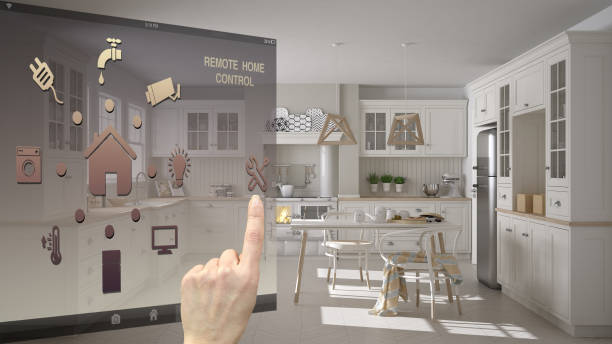
Escaping “Remote Control Hell” with Voice and App Integration
The concept of “remote control hell” is a universal frustration. You sit down to watch a movie, only to realize you need three different remotes to turn on the TV, adjust the volume, and dim the lights. Smart sofas resolve this by integrating directly with major smart home ecosystems like Amazon Alexa, Google Assistant, or Apple HomeKit.
Through built-in microphones or seamless smartphone app integration, the sofa becomes the interface. A simple voice command or a tap on the sofa’s embedded touch panel can trigger complex macro commands. This integration relies on robust Wi-Fi and Bluetooth connectivity protocols, ensuring that the sofa communicates instantly with other smart devices in the room, effectively rendering traditional remote controls obsolete.
One-Click Scene Unlocking: Transforming Your Environment
The true magic of a smart sofa lies in its ability to execute “Scene Unlocking.” This feature goes beyond merely adjusting the sofa’s recline angle; it orchestrates the entire room’s environment to match your desired activity. By programming specific scenes, users can drastically alter the ambiance of their living room with a single interaction.
Consider the complexity of setting up a home theater experience. With a smart sofa, selecting “Movie Mode” triggers a cascade of automated actions. The sofa communicates with your smart home hub to perform multiple tasks simultaneously, creating an immersive environment without any manual effort.
- Movie Mode: The sofa reclines to a 120-degree ergonomic viewing angle, the smart blinds lower to block out glare, the overhead lights dim to 10%, and the TV and surround sound system power on automatically.
- Reading Mode: The sofa adjusts to an upright position with enhanced lumbar support, a focused reading light activates above the seat, and ambient background music begins playing at a low volume.
- Sleep/Nap Mode: The sofa reclines fully flat, the room’s temperature adjusts to optimal sleeping conditions via the smart thermostat, and all media devices are powered down.
Ergonomic Adjustments and Biometric Sensors
Beyond external device control, smart sofas are engineering marvels of personal comfort. Advanced models feature dual-motor systems that allow for independent adjustment of the headrest, lumbar region, and footrest. These adjustments are smooth, silent, and capable of finding the exact millimeter of positioning required for optimal spinal alignment.
Furthermore, the integration of biometric sensors is pushing the boundaries of what a sofa can do. Hidden sensors can monitor heart rate, respiration, and body temperature. If the sofa detects that you have fallen asleep, it can automatically adjust its posture to prevent neck strain and signal the room’s thermostat to drop the temperature for better sleep quality. This proactive approach to comfort ensures that the furniture adapts to the user, rather than forcing the user to adapt to the furniture.
Building a Cohesive Smart Ecosystem
The ultimate goal of investing in smart dining tables and smart sofas is not just to own isolated pieces of technology, but to weave them into a cohesive, intelligent home ecosystem. When these devices communicate seamlessly, the sum is far greater than its parts, resulting in a living space that is highly responsive, energy-efficient, and tailored to your exact lifestyle needs.
Syncing Your Dining and Living Room Devices
Creating a unified smart home requires careful planning regarding the platforms and protocols your furniture uses. It is highly recommended to choose furniture that supports universal standards like Matter or Zigbee, ensuring cross-compatibility. For example, your smart dining table could signal your smart sofa when dinner is finished, automatically transitioning the living room lighting from a bright, energetic hue to a warm, relaxing tone in anticipation of post-dinner relaxation.
This level of synchronization requires a central smart home hub. Whether you use a dedicated hardware hub or a software-based solution, ensuring that both your dining and living room furniture can be controlled from a single dashboard is essential for maximizing convenience and avoiding app fatigue.
Future-Proofing Your Smart Home Investment
Technology evolves rapidly, and furniture is a long-term investment. To ensure your smart furniture does not become obsolete within a few years, prioritize products that offer Over-The-Air (OTA) firmware updates. This capability allows manufacturers to push software improvements, add new features, and patch security vulnerabilities long after the initial purchase.
Additionally, look for modular designs where electronic components can be easily accessed and replaced without destroying the furniture itself. If a wireless charging pad fails or a new, faster charging standard emerges, the ability to swap out that specific module ensures your smart dining table or sofa remains at the cutting edge of technology for years to come.
Frequently Asked Questions (FAQ)
- Are smart dining tables safe from liquid spills?
- Yes, high-quality smart dining tables are designed with strict IP waterproof ratings (often IP65 or higher) for all internal electronic components. The heating and charging zones are sealed beneath non-porous surfaces like tempered glass or sintered stone, ensuring that accidental spills of water, wine, or hot soup do not penetrate the electrical housing or cause short circuits.
- Do I need a specific app for every piece of smart furniture?
- While many manufacturers provide proprietary apps for initial setup and granular control, the best smart furniture is designed to integrate with major smart home ecosystems like Apple HomeKit, Google Home, or Amazon Alexa. This allows you to control your smart sofa and dining table through a single centralized app or via voice commands, avoiding the clutter of multiple dedicated applications.
- How much electricity does a heated smart dining table consume?
- Modern smart tables utilizing graphene or carbon fiber heating elements are highly energy-efficient. They heat up rapidly and often feature intelligent thermostats that maintain temperature without drawing continuous high power. On average, using the heating function for a typical one-hour meal consumes less electricity than running a standard space heater or microwave for the same duration.
- Can a smart sofa really replace all my remote controls?
- Absolutely. Smart sofas equipped with integration hubs can connect to your home’s Wi-Fi and Bluetooth networks. By utilizing “Scene Unlocking” features, the sofa acts as a trigger point. A single press on the sofa’s control panel or a voice command can simultaneously turn on the TV, adjust the audio receiver, dim the smart lights, and close motorized blinds, completely eliminating the need for individual remotes.
- What happens to my smart furniture if the power goes out?
- In the event of a power outage, smart furniture will lose its electronic functionalities, such as heating, wireless charging, and motorized reclining. However, they are designed with safety fail-safes; for instance, motorized sofas will lock safely in their current position. Once power is restored, they will seamlessly reconnect to your home network and resume normal operations without requiring reprogramming.