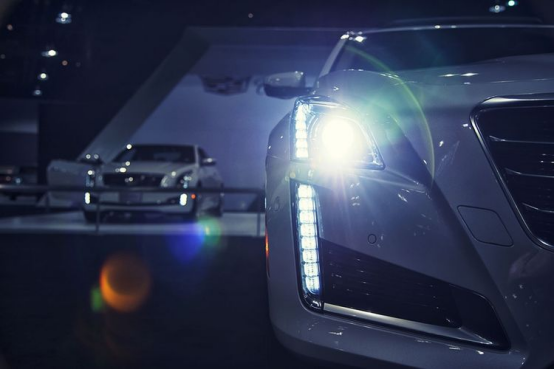
When driving at night, a good lighting system not only improves the driving experience, but also affects driving safety. LED headlights and xenon headlights are the two most popular high-end headlight technologies on the market, and they each have their own unique advantages. Which one is more suitable for your needs? This article will compare them from multiple angles such as brightness, energy consumption, lifespan, and cost to help you make a wise choice .
1. Brightness and illumination range
Xenon headlights: Xenon lamps use high-voltage current to stimulate xenon gas to emit light. The brightness is usually 3 times higher than traditional halogen lamps, the color temperature is close to natural daylight, and the illumination range is wide, especially on highways.
LED headlights: LED lights are equally bright, but the light is more concentrated and has a wide adjustable color temperature range. The LED matrix headlights of some high-end models can also intelligently adjust the light beam to avoid dazzling other drivers.
2. Energy consumption and efficiency
LED headlights: Extremely low energy consumption, usually requiring only half the power of xenon lamps to achieve the same brightness, more friendly to electric and hybrid vehicles.
Xenon headlights: require high voltage current when starting, and have high energy consumption, but have good efficiency after stable operation.

3. Lifespan and durability
LED headlights: With a lifespan of 30,000-50,000 hours, they almost never need to be replaced.
Xenon headlights: The lifespan is about 2,000-5,000 hours, which is longer than halogen lamps but far less than LEDs.

4. Startup speed
LED headlights: light up instantly without delay, suitable for urban road conditions with frequent switching.
Xenon headlights: take several seconds to reach full brightness, with a slight delay when starting at night.
5. Cost and Maintenance
Xenon headlights: The initial modification cost is lower, but they require a ballast and are more complicated to maintain.
LED headlights: The original configuration is more expensive, but it is almost maintenance-free and more cost-effective in the long term.
6. Applicable environment
Xenon headlights: The penetrating power is slightly weaker in rainy and foggy weather, but the high beam performance is excellent.
LED headlights: Some high-end models are equipped with adaptive functions to optimize lighting effects in different weather conditions.
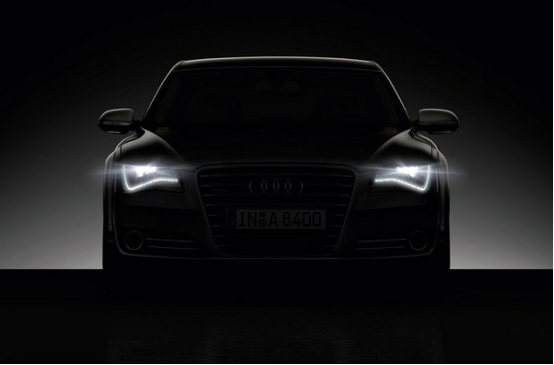
If you are looking for energy saving, long life and intelligence, LED headlights are a better choice. If you have a limited budget and focus on long-distance lighting, xenon headlights are still worth considering. However, with the advancement of technology, LED is becoming the mainstream of future headlights, and many high-end models have gradually eliminated xenon lamps.