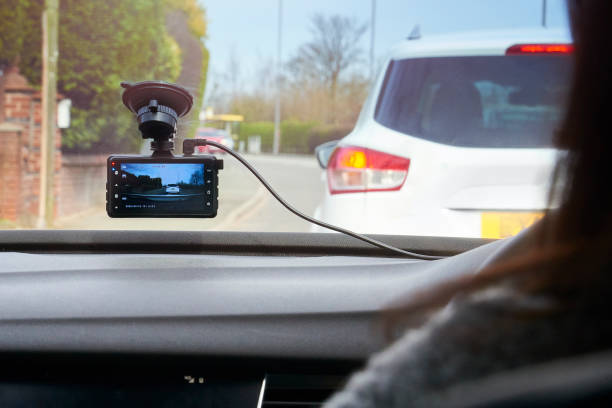
V2X technology, or Vehicle-to-Everything, stands at the forefront of the smart automotive revolution, promising to transform how vehicles interact with their environment and each other. This groundbreaking communication system extends beyond mere in-car infotainment, creating a sophisticated network where cars, infrastructure, pedestrians, and the cloud can exchange vital information in real-time. The vision is a future where traffic flows seamlessly, accidents are significantly reduced, and journeys become more efficient and environmentally friendly. This ultimate guide delves into the intricate world of V2X, exploring its fundamental principles, diverse applications, underlying communication technologies, profound benefits, and the critical challenges that must be overcome to realize its full potential. By understanding V2X, we gain insight into the future of urban planning, transportation safety, and intelligent mobility.

Understanding V2X Technology: The Foundation of Connected Mobility
V2X technology represents a paradigm shift from isolated vehicles to a fully integrated transportation ecosystem. At its core, V2X enables various entities within the traffic environment to communicate wirelessly, sharing data that can inform decisions, enhance safety, and optimize performance. This continuous exchange of information creates a collective awareness that far surpasses what any single vehicle’s sensors can provide, laying the groundwork for truly intelligent transportation systems.
What is V2X? Defining the Ecosystem
V2X is an overarching term that encompasses several distinct modes of communication, all designed to connect vehicles with their surroundings. These modes include Vehicle-to-Vehicle (V2V), Vehicle-to-Infrastructure (V2I), Vehicle-to-Pedestrian (V2P), and Vehicle-to-Network (V2N). Each component plays a crucial role in building a comprehensive and responsive network. The technology facilitates the exchange of critical data, such as speed, location, direction, road conditions, traffic signals, and even the presence of vulnerable road users. This real-time data stream empowers vehicles and drivers to anticipate hazards, optimize routes, and react proactively to dynamic situations.
Why V2X Matters: Driving the Future of Transportation
The significance of V2X extends far beyond convenience; it addresses some of the most pressing challenges facing modern transportation: safety, efficiency, and environmental impact. Historically, vehicles operated as isolated units, relying solely on the driver’s perception and limited onboard sensors. V2X breaks down these silos, offering a 360-degree view of the road environment, even beyond the line of sight. This enhanced situational awareness is critical for preventing accidents, reducing congestion, and making transportation more sustainable. The underlying principle is that more information leads to better decisions, whether made by a human driver or an autonomous system. It represents a fundamental shift towards proactive, cooperative driving, where every participant contributes to the safety and fluidity of the entire network.

The Core Pillars of V2X: Deconstructing Its Components
To fully grasp V2X, it’s essential to understand its individual communication modes, each designed to address specific interaction needs within the transportation ecosystem. These pillars collectively form a robust and interconnected web of data exchange.
Vehicle-to-Vehicle (V2V): Peer-to-Peer Safety
V2V communication allows vehicles to directly exchange information with nearby vehicles without relying on a central infrastructure. This peer-to-peer connection is vital for immediate safety-critical applications. Vehicles can broadcast their position, speed, heading, and braking status, enabling other vehicles to detect potential collision risks, blind spot warnings, or even traffic jam ahead alerts. For instance, if a car brakes suddenly around a blind corner, V2V can alert following vehicles milliseconds before the driver can visually perceive the hazard, providing precious time for reaction. This direct communication significantly enhances situational awareness and is a cornerstone for advanced driver-assistance systems (ADAS) and future autonomous driving capabilities.
Vehicle-to-Infrastructure (V2I): Smart Roads and Traffic Management
V2I communication involves vehicles interacting with fixed infrastructure elements such as traffic lights, road signs, toll booths, and roadside units (RSUs). This connection provides vehicles with real-time information about traffic conditions, road closures, construction zones, and traffic signal timings. For example, a V2I system can inform a vehicle of an approaching red light, allowing it to adjust its speed to avoid hard braking, thereby improving fuel efficiency and reducing emissions. It can also assist with intelligent traffic management, dynamic route guidance, and even automated parking systems. V2I is instrumental in building “smart cities” where infrastructure actively contributes to traffic flow optimization and safety.
Vehicle-to-Pedestrian (V2P): Protecting Vulnerable Road Users
V2P communication focuses on enhancing the safety of pedestrians and cyclists, who are often the most vulnerable road users. This mode allows vehicles to communicate with personal mobile devices, wearables, or dedicated V2P tags carried by pedestrians and cyclists. When a vehicle detects a pedestrian or cyclist in its vicinity, or vice-versa, an alert can be triggered for both parties, warning of potential collisions. Imagine a child about to dart out from between parked cars; a V2P system could alert an approaching vehicle, giving the driver vital seconds to react. This technology is crucial for reducing accidents involving non-motorized road users, particularly in urban environments.
Vehicle-to-Network (V2N): The Cloud Connection
V2N communication connects vehicles to the broader cellular network and cloud-based services. This mode enables vehicles to access real-time traffic updates, weather information, navigation services, and over-the-air software updates. Unlike the short-range, direct communication of V2V or V2P, V2N leverages cellular towers and data centers to provide a wider range of services and aggregated information. It’s essential for long-range planning, accessing mapping data, and integrating vehicles into smart city platforms that manage public transportation, emergency services, and urban logistics. V2N ensures that vehicles are always connected to the wider digital ecosystem, enhancing convenience, efficiency, and access to a wealth of information.

How V2X Communication Works: Protocols and Technologies
The seamless exchange of information in a V2X environment relies on sophisticated communication protocols and underlying technologies. Two primary contenders dominate the landscape: Dedicated Short-Range Communication (DSRC) and Cellular V2X (C-V2X), each with its unique characteristics and advantages.
DSRC (Dedicated Short-Range Communication): The Established Standard
DSRC is a Wi-Fi-based communication protocol specifically designed for automotive applications. It operates in the 5.9 GHz band, offering low latency and high reliability for short-range, direct communication between vehicles and between vehicles and infrastructure. DSRC has been the more established technology, with years of development and deployment in various pilot programs worldwide. Its strength lies in its ability to function independently of cellular networks, making it robust in areas with poor cellular coverage. It’s particularly well-suited for safety-critical V2V and V2I applications where immediate, direct communication is paramount.
C-V2X (Cellular V2X): Leveraging 5G and Beyond
C-V2X is a newer technology that leverages cellular communication networks, including 4G LTE and emerging 5G technologies. It operates in two modes: direct communication (PC5 interface) for V2V, V2I, and V2P interactions, similar to DSRC, and network-based communication (Uu interface) for V2N interactions, utilizing the existing cellular infrastructure. The key advantage of C-V2X, especially with 5G, is its potential for higher bandwidth, lower latency, and broader coverage, enabling more complex applications like high-definition map sharing and remote driving assistance. Its integration with the existing cellular ecosystem also offers potential cost efficiencies and scalability.
The Role of Sensors and Edge Computing
Beyond the communication protocols, V2X heavily relies on a diverse array of sensors within vehicles (cameras, radar, lidar, ultrasonic) and embedded in infrastructure (traffic cameras, loop detectors). These sensors collect raw environmental data, which is then processed and shared via V2X. Edge computing plays a critical role here, allowing data processing to occur closer to the source (e.g., at a roadside unit or within the vehicle) rather than solely in centralized cloud servers. This reduces latency, enhances real-time decision-making, and minimizes the bandwidth requirements for transmitting vast amounts of raw data, making the entire V2X system more responsive and efficient.
| Feature | DSRC (Dedicated Short-Range Communication) | C-V2X (Cellular V2X) |
|---|---|---|
| Underlying Technology | IEEE 802.11p (Wi-Fi based) | 3GPP (Cellular based, LTE & 5G) |
| Communication Range | Short-range (up to 1000m) | Short-range (direct) & Long-range (network) |
| Latency | Very Low | Very Low (especially with 5G) |
| Reliance on Network | Independent of cellular network | Can operate directly (PC5) or via cellular network (Uu) |
| Bandwidth | Lower | Higher (especially with 5G) |
| Maturity | More established, many pilot deployments | Newer, rapidly evolving with 5G |
| Primary Use Cases | Safety-critical V2V & V2I | Safety, efficiency, infotainment, autonomous driving |

Unlocking the Benefits: Impact of V2X on Safety, Efficiency, and Environment
The widespread adoption of V2X technology promises a multitude of benefits that will fundamentally reshape urban mobility and transportation systems, addressing critical issues faced by modern societies.
Enhanced Road Safety and Accident Prevention
One of the most compelling advantages of V2X is its potential to drastically improve road safety. By enabling vehicles to “see” beyond the driver’s line of sight and communicate potential hazards, V2X can prevent a significant percentage of collisions. Use cases include:
- Collision Warning Systems: Alerts drivers to potential front, rear, or side collisions, even at intersections or in blind spots.
- Intersection Movement Assist: Warns drivers if it’s unsafe to proceed through an intersection due to cross-traffic.
- Emergency Vehicle Alerts: Notifies approaching vehicles of emergency vehicles, allowing them to clear the path.
- Road Hazard Warnings: Informs drivers about sudden braking ahead, slippery roads, or disabled vehicles.
The “why” behind this impact lies in the proactive nature of V2X. Instead of reacting to an event, V2X allows for anticipation, providing crucial milliseconds or seconds for drivers or autonomous systems to take evasive action, thereby saving lives and reducing injuries.
Optimizing Traffic Flow and Reducing Congestion
V2X plays a pivotal role in creating more efficient transportation networks. By facilitating real-time data exchange, it can significantly reduce traffic congestion and improve overall flow.
- Intelligent Traffic Signal Control: Vehicles can communicate with traffic lights, allowing signals to dynamically adjust based on real-time traffic volume and flow.
- Queue Warning: Alerts drivers to slow-moving or stopped traffic ahead, allowing for smoother braking and lane changes.
- Dynamic Route Guidance: Provides drivers with the most efficient routes based on current traffic conditions, diversions, and construction zones.
- Platooning: Enables a convoy of vehicles to travel closely together at high speeds, reducing aerodynamic drag and increasing road capacity.
The “why” here is about predictive analytics and coordination. Instead of individual vehicles making decisions in isolation, V2X fosters a cooperative environment where the entire network works together to optimize movement, leading to less time spent in traffic and more predictable journey times.
Environmental Sustainability and Fuel Efficiency
Reducing fuel consumption and emissions is another significant benefit of V2X. Improved traffic flow and optimized driving behaviors directly translate to a greener transportation system.
- Eco-Driving Assistance: Provides recommendations for optimal speed and acceleration/deceleration based on upcoming traffic signals and road conditions.
- Reduced Idling: By minimizing congestion and stop-and-go traffic, V2X helps reduce the amount of time vehicles spend idling, which wastes fuel and increases emissions.
- Optimized Logistics: For commercial fleets, V2X can enable more efficient delivery routes and schedules, further reducing fuel consumption and operational costs.
The “why” is rooted in efficiency. Less wasted motion, smoother transitions, and smarter routing all contribute to lower energy expenditure per journey, making transportation more environmentally friendly.
New Business Models and Services
Beyond safety and efficiency, V2X opens doors for innovative business models and value-added services.
- Location-Based Services: Enhanced accuracy for navigation, parking assistance, and targeted advertising.
- Fleet Management: Real-time tracking, diagnostics, and optimized logistics for commercial vehicles.
- Automated Tolling and Payment: Seamless integration with digital payment systems for tolls, parking, and drive-through services.
- Data Monetization: Aggregated, anonymized traffic data can be valuable for urban planning, infrastructure development, and various industries.
The “why” is about creating an intelligent, connected ecosystem that can generate new forms of value, from personalized mobility experiences to optimized urban resource management.
Navigating the Challenges and Future Outlook for V2X
While the potential of V2X is immense, its widespread deployment faces several significant hurdles. Addressing these challenges is crucial for realizing the vision of fully connected and intelligent transportation systems.
Key Hurdles: Standardization, Security, and Privacy
One of the primary challenges is the lack of a universally adopted global standard for V2X communication. The ongoing debate between DSRC and C-V2X has led to fragmentation and uncertainty, hindering large-scale deployment. Interoperability between different systems and regions is paramount. Furthermore, the constant exchange of sensitive data raises critical concerns about cybersecurity and privacy. Protecting V2X communications from hacking, spoofing, and data breaches is essential to maintain public trust and system integrity. Robust encryption, authentication protocols, and strict data governance policies are non-negotiable requirements. The “why” is that without unified standards and ironclad security, the system’s reliability and public acceptance will remain compromised.
Infrastructure Deployment and Cost Implications
Implementing V2X requires substantial investment in new infrastructure, particularly for V2I applications. Roadside units (RSUs) need to be deployed across vast networks, traffic lights must be upgraded, and central communication hubs established. This represents a massive financial undertaking for governments and municipalities. The costs associated with upgrading existing infrastructure and maintaining new systems are considerable, requiring innovative funding models and strong public-private partnerships. The “why” is that the theoretical benefits of V2X cannot be realized without the physical backbone to support its communication, and this backbone is expensive to build and maintain.
The Road Ahead: V2X in Autonomous Driving and Smart Cities
Despite the challenges, the future of V2X is inextricably linked with the advancement of autonomous driving and the development of smart cities. For autonomous vehicles, V2X provides a critical layer of perception that complements onboard sensors, offering information about objects beyond the line of sight and cooperative maneuvers. In smart cities, V2X will be a foundational technology, enabling dynamic urban planning, efficient public transport, intelligent parking solutions, and improved emergency response times. The integration of V2X into these broader ecosystems will unlock its full potential, creating a safer, more efficient, and sustainable urban environment for all. The “why” is that V2X is not just an add-on; it’s an enabler for the next generation of transportation and urban living, providing the connective tissue for intelligent systems.
Pro Tips for V2X Implementation and Future-Proofing
For municipalities, automotive manufacturers, and technology developers looking to invest in or integrate V2X, strategic planning is key. Here are some expert recommendations:
- Prioritize Pilot Projects: Start with smaller, focused deployments in specific urban corridors or industrial zones to test efficacy and gather real-world data before scaling.
- Advocate for Standardization: Actively participate in industry forums and regulatory discussions to push for harmonized global standards, ensuring interoperability and reducing market fragmentation.
- Invest in Cybersecurity: Implement end-to-end encryption, robust authentication mechanisms, and continuous monitoring to protect against threats and ensure data integrity.
- Hybrid Approach: Consider a flexible approach that supports both DSRC and C-V2X initially to adapt to evolving technological landscapes and regional preferences.
- Public-Private Partnerships: Collaborate with government agencies, private companies, and academic institutions to share costs, expertise, and accelerate infrastructure deployment.
- Focus on User Experience: Design V2X applications with intuitive interfaces and clear benefits for drivers, pedestrians, and city operators to foster adoption and trust.
- Scalable Infrastructure: Plan for infrastructure that can easily be expanded and upgraded to accommodate future advancements in V2X technology and increasing data demands.
Frequently Asked Questions (FAQ)
- What is the primary difference between DSRC and C-V2X?
- DSRC (Dedicated Short-Range Communication) is a Wi-Fi-based protocol operating independently of cellular networks, primarily for short-range, direct vehicle-to-vehicle and vehicle-to-infrastructure communication. C-V2X (Cellular V2X) leverages existing cellular networks (4G LTE, 5G) for both direct communication and network-assisted long-range communication, offering higher bandwidth potential and integration with broader digital ecosystems.
- How does V2X specifically improve road safety?
- V2X enhances road safety by providing vehicles with a 360-degree awareness of their surroundings, often beyond the line of sight. It enables real-time exchange of data like speed, position, and braking status, facilitating collision warnings, blind spot alerts, intersection movement assistance, and pedestrian detection, giving drivers or autonomous systems more time to react and prevent accidents.
- Is V2X only for autonomous vehicles?
- No, V2X technology benefits both human-driven and autonomous vehicles. While it is crucial for enabling higher levels of autonomous driving by providing enhanced situational awareness, V2X also significantly improves safety and efficiency for human drivers through advanced warning systems and intelligent traffic management.
- What are the main challenges to widespread V2X adoption?
- Key challenges include the lack of a single global communication standard (DSRC vs. C-V2X debate), the significant cost and effort required for infrastructure deployment (especially for V2I), and critical concerns regarding cybersecurity and data privacy due to the constant exchange of sensitive information.
- How will V2X contribute to smart cities?
- In smart cities, V2X acts as a foundational communication layer, enabling intelligent traffic signal optimization, dynamic parking management, real-time public transportation updates, and faster emergency response coordination. It facilitates the seamless flow of people and goods, contributing to reduced congestion, lower emissions, and overall improved urban living quality.