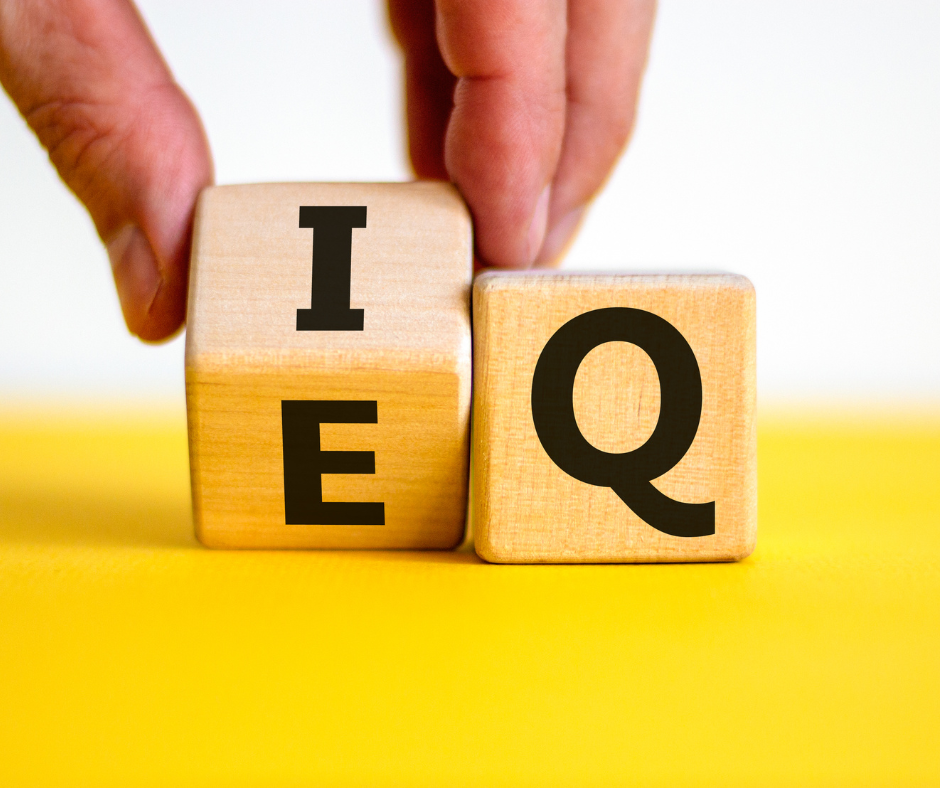
In today’s business landscape, we are inundated with data, metrics, and KPIs. Decisions are increasingly driven by algorithms and analytics, pushing for efficiency and optimization. Yet, in this relentless pursuit of quantifiable results, the most potent factor in organizational success is often overlooked: the human element. This is where Emotional Intelligence (EQ) emerges not just as a soft skill, but as the definitive competency for effective leadership. A high EQ enables leaders to navigate complex social dynamics, inspire trust, and foster a culture of psychological safety, turning a data-driven team into a data-inspired, human-centered powerhouse.
This guide will deconstruct the core principles of emotional intelligence, moving beyond theory to provide actionable strategies. We will explore how to cultivate self-awareness, manage emotional responses, and lead with genuine empathy, creating an environment where both people and profits can thrive.
Why Emotional Intelligence is a Leadership Superpower
While technical skills and IQ are essential for managing tasks, Emotional Intelligence is the key to leading people. It is the capacity to be aware of, control, and express one’s emotions, and to handle interpersonal relationships judiciously and empathetically. In a leadership context, this translates directly into tangible business outcomes. Leaders with high EQ build stronger, more resilient teams that are better equipped to handle stress, collaborate effectively, and embrace innovation.
The “why” behind its power lies in its impact on the work environment. High-EQ leaders create a climate of psychological safety where team members feel comfortable voicing ideas, admitting mistakes, and taking calculated risks. This directly combats employee burnout, reduces turnover, and is a powerful catalyst for creativity. In a data-driven world, EQ provides the necessary context, helping a leader understand the story and the people behind the numbers.

The Five Pillars of Emotional Intelligence for Leaders
Pioneered by psychologist Daniel Goleman, the framework for EQ is built on five core competencies. Mastering these pillars is a continuous journey that transforms a manager into a true leader.
Self-Awareness: The Foundation of EQ
Self-awareness is the ability to recognize and understand your own moods, emotions, and drives, as well as their effect on others. A self-aware leader knows their strengths and weaknesses and operates with a quiet confidence rooted in reality, not arrogance. They can identify when they are stressed or frustrated and understand how that internal state might impact their team.
Self-Regulation: Managing Your Internal State
Building on self-awareness, self-regulation is the ability to control or redirect disruptive impulses and moods. It’s about thinking before acting. A leader who can self-regulate remains calm under pressure, handles ambiguity with grace, and makes thoughtful, composed decisions instead of reactive, emotional ones. This creates a stable and predictable environment for their team.
Motivation: The Drive to Achieve
Emotionally intelligent leaders are driven by a deep-seated passion for their work that goes beyond money or status. This intrinsic motivation gives them a relentless drive to achieve, a powerful optimism in the face of failure, and a strong commitment to their organization. Their passion is infectious, inspiring their teams to pursue excellence.
Empathy: Understanding Others’ Perspectives
Empathy is the ability to understand the emotional makeup of other people. For leaders, this means thoughtfully considering employees’ feelings—along with other factors—in the process of making intelligent decisions. It’s not about being “soft”; it’s about building connection, trust, and loyalty by showing your team that you see and value them as individuals.
Social Skills: Building Rapport and Influence
Social skill is the culmination of the other pillars. It is the proficiency in managing relationships and building networks. Leaders with strong social skills are adept at managing change, persuading teams to embrace a new vision, and building a wide rapport. They are expert collaborators and communicators, able to find common ground and build bridges.
Bridging the Gap: EQ in a Data-Driven Culture
The modern challenge for leaders is not to choose between data and empathy, but to integrate them. Data tells you *what* is happening, but EQ helps you understand *why* it’s happening and *how* to communicate it effectively. A purely data-driven approach can feel cold and dehumanizing, leading to disengagement. An emotionally intelligent leader uses data to inform decisions but uses empathy to deliver them.
The following table illustrates the difference in approach between purely data-driven leadership and an emotionally intelligent style.
| Leadership Scenario | Purely Data-Driven Approach | Emotionally Intelligent Approach |
|---|---|---|
| Addressing a Drop in Team Performance | Presents charts showing declining metrics. Demands an explanation and an immediate action plan to reverse the trend. | Shares the performance data but opens a dialogue by asking, “The numbers are showing a dip. How is everyone feeling? What obstacles are you facing?” |
| Implementing a New Technology | Announces the new system, focusing on efficiency gains and mandatory training deadlines. | Explains the “why” behind the change, acknowledges potential anxieties, and creates a supportive training environment with open feedback channels. |
| Giving Performance Feedback | Focuses exclusively on missed targets and areas for improvement based on quantitative data. | Discusses the data but also recognizes effort, asks about career goals, and collaboratively sets a path for development. |
| Team Member Burnout | Views it as a productivity issue, potentially suggesting time management training or reallocating tasks. | Recognizes the human cost, initiates a one-on-one conversation to understand the root cause, and explores solutions like workload adjustments or mental health support. |
Expert Tips: A Checklist for Cultivating Leadership EQ
Developing emotional intelligence is an active, ongoing process. It requires intention and practice. Here are several expert strategies you can implement immediately to strengthen your EQ.
- Practice Mindful Listening: In your next conversation, focus completely on what the other person is saying without planning your response. Pay attention to their tone and body language. The goal is to understand, not just to reply.
- Keep a “Decision Journal”: When you make a significant decision, write down not just the logical reasons but also how you were feeling at the time (e.g., stressed, optimistic, rushed). This builds self-awareness about how emotions influence your judgment.
- Solicit 360-Degree Feedback: Actively ask for feedback from your superiors, peers, and direct reports about your communication style and impact. Ask specific questions like, “How do I come across when I am under pressure?”
- Embrace the “Pause”: Before reacting to a stressful email or a challenging situation, build the habit of taking a deliberate pause. A simple deep breath can be enough to shift from a reactive to a regulated response.
- Seek Out Different Perspectives: Make a conscious effort to talk to people outside your immediate team or social circle. Understanding different viewpoints is a direct exercise in building empathy.
Frequently Asked Questions (FAQ)
- Can emotional intelligence be learned, or is it an innate trait?
- While some people may have a natural disposition towards higher EQ, it is overwhelmingly considered a skill that can be developed and strengthened over time. Through conscious practice, feedback, and self-reflection, anyone can improve their self-awareness, empathy, and social skills.
- How does high EQ in leadership prevent employee burnout?
- Leaders with high EQ are attuned to the well-being of their team. They can recognize early signs of stress and overwork, foster a culture where it’s safe to discuss workload challenges, and provide support before burnout sets in. Their empathetic approach ensures employees feel valued as people, not just as units of productivity.
- Isn’t being “empathetic” a sign of weakness in a competitive business environment?
- This is a common misconception. Empathy is not about being “soft” or avoiding tough decisions. It’s about understanding the impact of those decisions on your people. Empathetic leaders can still be demanding and hold high standards, but they do so with respect and consideration, which builds loyalty and commitment rather than fear.
- What is the first, most critical step to improving my EQ as a leader?
- The first and most crucial step is developing self-awareness. You cannot manage emotions you don’t recognize. Start by regularly checking in with yourself: What am I feeling right now, and why? How might this feeling affect my next interaction? This foundational practice makes all other aspects of EQ possible.