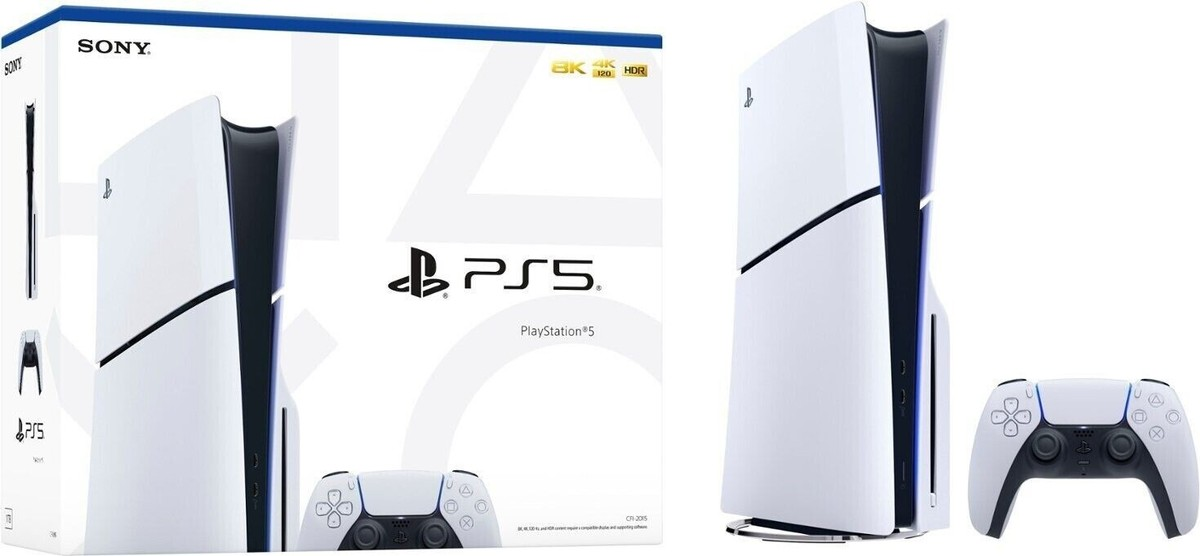
The gaming landscape of 2025 is defined by a fierce competition between dedicated console ecosystems and the versatile power of high-end PC gaming. At the center of this evolution is the Sony PlayStation 5, a platform that has transitioned from a mere hardware device into a comprehensive “Content Empire.” This guide provides a deep dive into the technical engineering of the PS5 Slim, the strategic subscription models Sony has implemented to mirror the “Netflix” success story, and a critical comparison with the Lenovo Legion series to help gamers navigate the choice between console optimization and PC performance.
The Evolution of Hardware: An In-Depth Look at the PS5 Slim Disassembly
The transition from the original PlayStation 5 to the “Slim” model represents more than just a reduction in physical volume; it is a masterclass in thermal engineering and component integration. Through detailed disassembly, we can observe how Sony has managed to reduce the console’s volume by over 30% while maintaining, and in some cases improving, its operational efficiency.
Thermal Management and Internal Cooling Architecture
One of the most critical aspects of the PS5 Slim is its redesigned cooling system. Unlike the original model, which utilized a massive heatsink, the Slim employs a more compact, high-density fin arrangement coupled with a sophisticated heat pipe layout. The use of liquid metal as a thermal interface material (TIM) remains a cornerstone of the design, ensuring that heat is efficiently transferred from the custom SoC (System on Chip) to the cooling assembly. This allows the console to maintain high clock speeds without the thermal throttling issues often found in smaller form-factor devices.
Modularity and the Detachable Disc Drive
The PS5 Slim introduces a level of modularity previously unseen in the PlayStation lineage. The detachable Ultra HD Blu-ray disc drive is a pivotal design choice. By allowing users to purchase a Digital Edition and later add a physical drive, Sony has streamlined its manufacturing process while providing consumers with future-proof flexibility. The disassembly reveals a simple “plug-and-play” connector that facilitates this modularity without requiring complex tools or technical expertise.
Sony’s Content Empire: Building the Netflix of Consoles
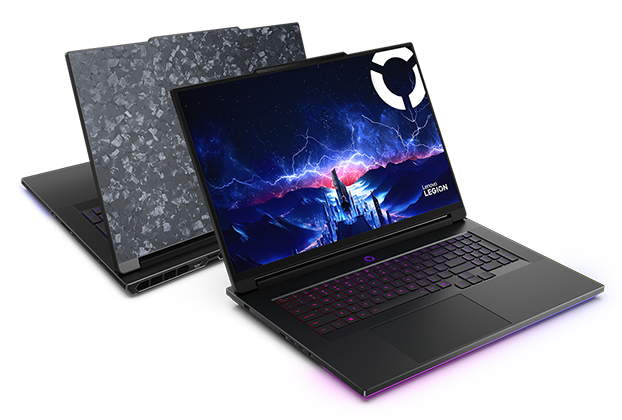
In 2025, Sony’s strategy has shifted significantly toward a service-oriented model. By leveraging its vast library of first-party intellectual properties, Sony is positioning PlayStation Plus as the definitive subscription service for gamers, often referred to as the “Netflix of Consoles.” This strategy is built on three main pillars: exclusive content, tiered accessibility, and cross-media integration.
The Power of First-Party Exclusives
The strength of the PlayStation ecosystem lies in its “Content Empire.” Titles from Naughty Dog, Santa Monica Studio, and Insomniac Games are not just products; they are the bedrock of the platform’s identity. Sony’s commitment to high-budget, narrative-driven single-player experiences provides a value proposition that is difficult for competitors to replicate. By making these titles available through the PlayStation Plus Extra and Premium tiers, Sony ensures a steady stream of revenue while maintaining high user engagement levels.
PlayStation Plus Tiered Strategy
To maximize market penetration, Sony has implemented a multi-tiered subscription model:
- PS Plus Essential: The foundational tier providing online multiplayer access and monthly free games.
- PS Plus Extra: Adds a massive catalog of downloadable PS4 and PS5 games, serving as the core “Netflix-style” library.
- PS Plus Premium: Includes cloud streaming, classic game catalogs from legacy consoles (PS1, PS2, PSP), and time-limited game trials for new releases.
PlayStation 5 vs. Lenovo Legion: The Ultimate Showdown in 2025
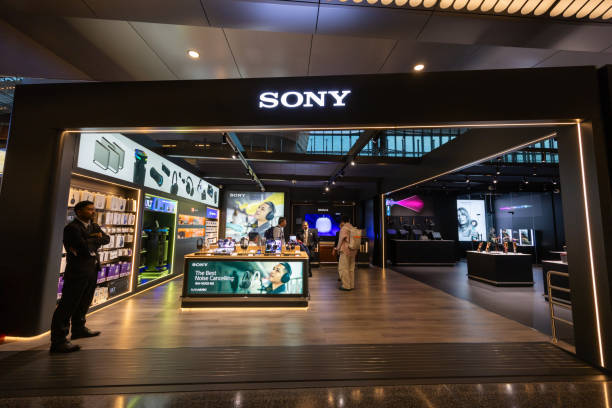
For gamers deciding between the PlayStation 5 and a high-end PC like the Lenovo Legion, the choice often comes down to a balance of performance, cost, and convenience. The Lenovo Legion series, particularly the latest Pro models, offers raw power that can exceed the PS5, but this comes at a significant price premium.
Performance and Hardware Comparison
The following table illustrates the core differences between the PlayStation 5 and a representative high-end Lenovo Legion gaming laptop (2025 model):
| Feature | Sony PlayStation 5 (Slim) | Lenovo Legion Pro 7i (2025) |
|---|---|---|
| CPU | 8-core AMD Zen 2 (Custom) | Intel Core i9-14900HX (or equivalent) |
| GPU | AMD RDNA 2 (10.3 TFLOPS) | NVIDIA RTX 4080/4090 Mobile |
| RAM | 16GB GDDR6 | 32GB DDR5 |
| Storage | 1TB Custom NVMe SSD | 1TB/2TB Gen4 NVMe SSD |
| Ray Tracing | Hardware-accelerated (Basic) | Advanced (DLSS 3.5 Support) |
| Price Point | Approx. $449 – $499 | Approx. $2,000 – $3,000 |
Ecosystem and User Experience
While the Lenovo Legion offers superior frame rates and the ability to handle tasks beyond gaming (such as video editing and 3D rendering), the PlayStation 5 wins on optimization and simplicity. Games developed for the PS5 are specifically tuned for its hardware, often resulting in a more stable and “it just works” experience. Furthermore, the DualSense controller’s haptic feedback and adaptive triggers offer a level of immersion that is often missing or poorly implemented on PC ports.

The Strategic Value of the PlayStation Ecosystem
Choosing the PlayStation 5 is not just about buying hardware; it is about entering a curated ecosystem. Sony’s integration of movies, music, and gaming through the Sony Pictures Core app and PlayStation Plus creates a unified entertainment hub. This synergy is a key differentiator when compared to the fragmented nature of PC gaming, where users must navigate multiple launchers (Steam, Epic Games Store, Xbox App) and hardware drivers.
Long-term Value and Depreciation
Consoles like the PS5 tend to hold their value and gaming relevance longer than individual PC components. A PS5 purchased today is guaranteed to play every major “AAA” title released for the platform for the next several years with consistent performance. In contrast, a gaming laptop like the Lenovo Legion may require settings adjustments or hardware upgrades to keep pace with the latest graphical advancements within a shorter timeframe.
Conclusion: Navigating the Future of Gaming
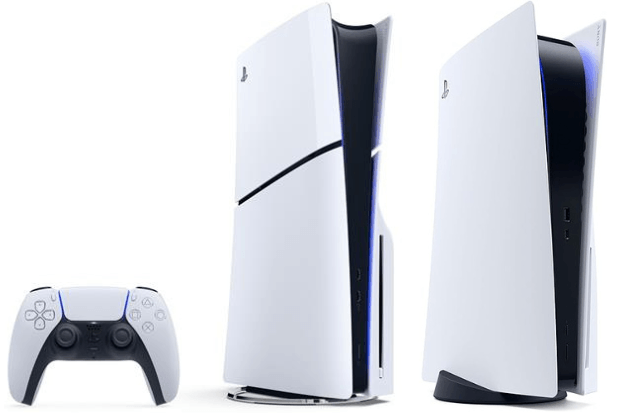
The PlayStation 5 Slim remains a marvel of modern engineering, offering a compact and efficient gateway to some of the industry’s most acclaimed content. While the Lenovo Legion offers the pinnacle of portable performance and versatility, the PS5’s “Content Empire” and streamlined ecosystem provide a compelling case for the majority of gamers. Whether you prioritize the raw power of a PC or the exclusive-driven, optimized experience of a console, the 2025 gaming market offers unprecedented quality across both platforms.
Frequently Asked Questions (FAQ)
- Q1: Is the PS5 Slim more powerful than the original PS5?
- No, the internal processing power (CPU and GPU) remains the same. The “Slim” model focuses on physical size reduction, improved heat dissipation, and modularity, such as the detachable disc drive.
- Q2: Can I play PlayStation exclusives on a Lenovo Legion PC?
- Yes, but with caveats. Sony has been bringing many of its exclusives (like God of War and Spider-Man) to PC via Steam and Epic Games Store, usually a year or more after their initial console release. You can also stream some titles via the PS Plus app on PC.
- Q3: Does the PS5 Slim run hotter than the original model because it is smaller?
- According to disassembly and thermal testing, the PS5 Slim maintains comparable operating temperatures to the original model thanks to its redesigned heatsink and efficient use of liquid metal cooling.
- Q4: Is PlayStation Plus Extra worth it compared to buying games individually?
- For most gamers, yes. The subscription provides access to hundreds of titles. If you play more than two or three “AAA” games a year that are included in the catalog, the subscription pays for itself quickly.
- Q5: Can I upgrade the storage on both the PS5 Slim and Lenovo Legion?
- Yes. The PS5 Slim has a dedicated M.2 NVMe SSD slot for easy storage expansion. The Lenovo Legion typically offers two M.2 slots, allowing for even greater storage capacity upgrades.
Editorial notice: Independent editorial content. Brand, platform, and company names are used for context only; this site is not affiliated with, endorsed by, or authorized by Sony, Tencent, Apple, Samsung, Dell, or any other mentioned rights holder.