The automotive world is a dynamic canvas where engineering prowess meets artistic vision. For decades, cars have been more than mere machines for transport; they are reflections of culture, technology, and human aspiration. The “gorgeous transformation” of modern cars is a testament to continuous innovation, pushing boundaries in aesthetics, performance, and user experience. This ultimate guide delves into the intricate journey of how car design has evolved, the underlying principles that dictate beauty and function, the technological marvels that enable new forms, and the exciting future that awaits the automotive industry. From the iconic lines of classic automobiles to the sleek, intelligent forms of today’s electric vehicles, we explore the ‘why’ behind the ‘what’ of automotive beauty, offering a comprehensive look at the art and science behind the wheels.
The Historical Roots of Automotive Design
Understanding the present beauty of modern cars requires a journey back through time, tracing the lineage of automotive design from its rudimentary beginnings to the sophisticated artistry we see today. Early automobiles were often functional contraptions, resembling horse-drawn carriages more than self-propelled vehicles. However, as engineering progressed, so did the ambition for aesthetic appeal, laying the groundwork for design as a distinct discipline within the automotive industry.
Early Innovations and Form Follows Function
In the nascent stages of the automotive industry, design was largely dictated by engineering necessities. The early 20th century saw the emergence of iconic vehicles like the Ford Model T, which prioritized mass production and utility. Yet, even in this era, designers began to experiment with body shapes, materials, and features that hinted at future elegance. The concept of “form follows function” became paramount, where every curve and panel served a practical purpose, albeit often leading to robust, utilitarian aesthetics. This period was crucial for establishing the foundational elements of chassis, cabin, and engine integration, setting precedents for subsequent design evolutions.
Post-War Glamour and American Dream Cars
The post-World War II era ushered in a golden age of automotive design, particularly in America. Economic prosperity fueled a desire for luxury, style, and individuality. This period gave birth to the “dream cars” – vehicles characterized by flamboyant fins, chrome accents, sweeping lines, and vibrant color palettes. Brands like Cadillac, Chevrolet, and Chrysler vied to create the most visually stunning and technologically advanced machines. This era emphasized emotional connection and aspirational design, where cars became symbols of status, freedom, and the American dream, profoundly influencing global automotive aesthetics for decades.
The Rise of Aerodynamics and Efficiency
As the latter half of the 20th century progressed, global concerns shifted towards fuel efficiency, performance, and safety. This paradigm shift directly impacted design, leading to the gradual demise of excessive ornamentation. Designers began to embrace aerodynamic principles, understanding that smoother, more streamlined forms reduced drag and improved fuel economy. This led to a more integrated, cohesive design language, where curves and contours were meticulously sculpted in wind tunnels. European manufacturers, in particular, pioneered this shift, emphasizing elegant simplicity and functional beauty, which laid the groundwork for the modern, efficient designs prevalent today.

Key Design Principles Shaping Modern Aesthetics
Modern car design is a sophisticated blend of art and science, guided by a set of core principles that ensure both visual appeal and optimal performance. These principles are not static but evolve with technological advancements and changing consumer preferences, constantly pushing the boundaries of what a car can look like.
Aerodynamics and Fluid Lines
The pursuit of efficiency and performance has made aerodynamics a cornerstone of contemporary automotive design. Fluid lines, sculpted surfaces, and integrated spoilers are not merely stylistic choices; they are engineered to minimize air resistance, improve stability, and enhance fuel economy or electric range. This focus has led to sleeker profiles, reduced drag coefficients, and a sense of motion even when the vehicle is stationary. The seamless integration of body panels and refined contours often hides complex engineering underneath, creating an uninterrupted visual flow that signifies modern elegance.
Proportion and Stance
A car’s proportion and stance are fundamental to its perceived beauty and athleticism. Designers meticulously balance elements like wheelbase, overhangs, roofline height, and wheel size to create a visually harmonious and powerful presence. A long hood might convey power, while a cab-forward design suggests spaciousness. The “stance”—how a car sits on its wheels—can communicate aggression, elegance, or robustness. Modern designs often feature wider tracks and lower centers of gravity, contributing to a planted, confident look that also translates to improved handling dynamics.
Lighting Technology as a Design Element
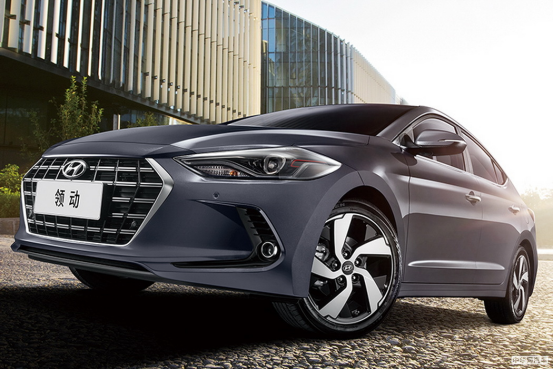
Headlights and taillights have transcended their basic function of illumination to become critical design signatures. Advances in LED, OLED, and laser lighting technologies have liberated designers from traditional bulb constraints, allowing for intricate, customizable light patterns. Daytime Running Lights (DRLs) create distinctive visual identities, making cars recognizable from afar. These lighting elements are often integrated seamlessly into the bodywork, forming part of the car’s “face” and “rear,” adding a futuristic and sophisticated touch that enhances both aesthetics and safety.
Interior Design: Blending Luxury with Technology
The interior of a modern car is no longer just a functional space; it’s a meticulously crafted environment designed for comfort, connectivity, and luxury. High-quality materials like sustainable fabrics, premium leather, wood, and metal finishes are combined with cutting-edge technology. Large, intuitive touchscreens, digital instrument clusters, ambient lighting, and voice control systems are integrated ergonomically. The focus is on creating a personalized, immersive experience, where the cabin feels like an extension of the driver’s digital life, balancing tactile controls with seamless digital interfaces.

Technological Innovations Driving Modern Car Transformation
The gorgeous transformation of modern cars is intrinsically linked to groundbreaking technological advancements. These innovations not only enable new design possibilities but also fundamentally alter how cars are manufactured, perform, and interact with their occupants and environment.
Advanced Manufacturing Techniques
Modern car design benefits immensely from sophisticated manufacturing processes. Techniques like advanced stamping, hydroforming, and laser welding allow for more complex and precise panel shapes, tighter shut lines, and the integration of multiple components into single, seamless units. The use of lightweight materials such as high-strength steel, aluminum alloys, carbon fiber, and composites reduces vehicle weight, improving performance and efficiency, while also enabling designers to sculpt more aggressive and intricate forms without compromising structural integrity.
Digital Design and Simulation
The advent of powerful Computer-Aided Design (CAD) and Computer-Aided Engineering (CAE) software has revolutionized the design process. Designers can now create highly detailed 3D models, iterate rapidly, and conduct extensive simulations for aerodynamics, crash safety, and ergonomics long before physical prototypes are built. Virtual Reality (VR) and Augmented Reality (AR) tools allow designers to “step inside” their creations, refine details, and evaluate aesthetics in a highly immersive virtual environment, accelerating development cycles and enhancing precision.
Electrification’s Impact on Design Freedom
The shift towards electric vehicles (EVs) has unleashed unprecedented design freedom. Without the need for large internal combustion engines, transmissions, and exhaust systems, designers can rethink traditional vehicle architectures. The “skateboard” platform, where batteries are integrated into the floor, allows for flatter floors, more spacious cabins, and unique front-end designs (like “frunks” or entirely new grille interpretations). This enables designers to create vehicles with entirely new proportions and interior layouts, breaking away from decades of ICE-driven constraints.
Connectivity and Infotainment Integration
Modern cars are increasingly becoming connected devices on wheels. Advanced infotainment systems, often featuring large, high-resolution touchscreens, seamlessly integrate navigation, communication, entertainment, and vehicle controls. Over-The-Air (OTA) updates allow for continuous improvement and the addition of new features. The aesthetic challenge lies in integrating these complex digital interfaces intuitively and elegantly into the cabin, ensuring they enhance the driving experience without becoming a distraction or an eyesore.

The Future of Automotive Beauty: Trends and Predictions
As technology continues its relentless march forward, the future of automotive design promises even more radical transformations. The interplay of autonomous driving, sustainability, and personalization will redefine what constitutes a “gorgeous” car.
Autonomous Driving and Interior Redesign
The widespread adoption of autonomous driving technologies will fundamentally alter the purpose and design of car interiors. As drivers become passengers, the cabin can transform into a lounge, office, or entertainment hub. Seats may swivel, screens may retract, and traditional dashboards could disappear. Designers will focus on creating flexible, multi-functional spaces that prioritize comfort, social interaction, and productivity, moving beyond the driver-centric layouts of today. Exterior design might also evolve, with less emphasis on traditional frontal styling as the need for driver visibility changes.
Sustainable Materials and Eco-Conscious Aesthetics
Environmental concerns are driving a profound shift towards sustainable design. Future cars will increasingly utilize recycled, renewable, and ethically sourced materials—from plant-based leathers and recycled plastics to innovative composites. This trend will not only impact material choices but also influence aesthetics, potentially leading to more organic textures, earthy color palettes, and a celebration of minimalist, eco-conscious forms. The “gorgeous” car of tomorrow may be defined not just by its looks, but by its minimal environmental footprint.
Personalization and Bespoke Design
Advances in manufacturing, particularly 3D printing and modular construction, will enable unprecedented levels of personalization. Consumers will have greater freedom to customize exterior elements, interior finishes, and digital interfaces to reflect their individual tastes. Bespoke design, once exclusive to luxury marques, may become more accessible, allowing for a truly unique connection between owner and vehicle. This could range from custom color schemes and unique trim options to personalized digital avatars and ambient lighting settings.
The Blurring Lines Between Physical and Digital Design
The boundary between a car’s physical form and its digital experience will continue to blur. Augmented reality windshields, holographic displays, and seamless integration with smart city infrastructure will become commonplace. Designers will need to master both physical sculpting and digital interface design, creating cohesive experiences where the car’s exterior, interior, and digital ecosystem work in perfect harmony to deliver a truly integrated and aesthetically pleasing product.
Expert Insights: Appreciating Automotive Design
- Understand the Intent: Every design element has a purpose. Try to discern whether a line is for aerodynamics, structural integrity, or purely aesthetic appeal.
- Study Proportions: Pay attention to the balance between the wheels, body, and greenhouse (the glass area). Good proportions often define timeless designs.
- Observe Surface Treatment: How light plays across a car’s surfaces reveals the quality of its sculpting. Look for clean reflections and intentional tension in the curves.
- Analyze Brand Identity: How does the design communicate the brand’s philosophy? Many brands use consistent design language across their models.
- Consider the Interior: A truly gorgeous car offers a cohesive experience. Evaluate how the interior complements the exterior and provides a user-friendly environment.
- Appreciate Innovation: Look for how new technologies (like EVs or advanced lighting) are integrated into the design, creating new forms and functions.
Evolution of Car Design: Key Eras Compared
| Era | Dominant Characteristics | Technological Influences | Aesthetic Philosophy |
|---|---|---|---|
| Early 20th Century (1900-1940s) | Utilitarian, carriage-like, exposed components | Mass production (assembly line), basic internal combustion engines | Form follows function, practical, robust |
| Post-War Era (1950s-1960s) | Exaggerated fins, chrome, sweeping lines, two-tone paint | V8 engines, automatic transmissions, power steering | Glamorous, aspirational, emotional, status symbol |
| Efficiency Era (1970s-1990s) | Aerodynamic, boxy/wedge shapes, focus on fuel economy | Emission controls, unibody construction, wind tunnel testing | Functional, understated, safety-conscious |
| Modern Era (2000s-Present) | Fluid lines, integrated technology, distinctive lighting, bold grilles | Digital design, advanced materials, electrification, connectivity | Sophisticated, technologically advanced, personalized, global appeal |
Frequently Asked Questions (FAQ)
- How has sustainability influenced modern car design?
- Sustainability has driven a shift towards eco-conscious design, encouraging the use of recycled, renewable, and ethically sourced materials in interiors and exteriors. It also promotes aerodynamic forms for better efficiency and lighter constructions to reduce energy consumption, contributing to a more minimalist and responsible aesthetic.
- What role do advanced lighting systems play in current car aesthetics?
- Advanced lighting, such as LED, OLED, and laser technology, has transformed from mere illumination to a critical design element. It allows designers to create unique light signatures, intricate patterns, and dynamic sequences that enhance a car’s visual identity, modernity, and safety, making vehicles recognizable even in the dark.
- How has the rise of electric vehicles (EVs) changed car design?
- EVs have fundamentally altered car design by removing the constraints of traditional internal combustion engines. This has led to the “skateboard” platform, allowing for flatter floors, more spacious cabins, and redesigned front ends (like “frunks” instead of engines). Designers now have greater freedom to create innovative proportions and interior layouts.
- What is the importance of aerodynamics in modern car design?
- Aerodynamics is paramount in modern car design for both aesthetic and functional reasons. Sculpted surfaces and fluid lines reduce air resistance, improving fuel efficiency or electric range, enhancing high-speed stability, and contributing to a sleek, dynamic appearance that signifies performance and modernity.
- Will autonomous driving completely change how cars look in the future?
- Autonomous driving is expected to significantly change car design, especially interiors. As drivers become passengers, cabins may transform into flexible living or working spaces, with reconfigurable seating and integrated digital environments. Exterior designs might also evolve, potentially with less emphasis on driver-centric features, leading to more communal and functional forms.