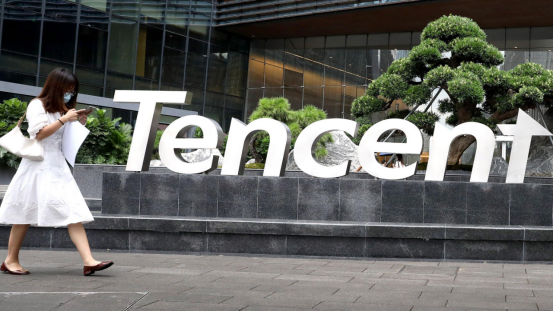
Tencent Holdings, a behemoth in the global technology landscape, has quietly yet profoundly reshaped numerous industries through its distinctive investment strategy. Far from a traditional venture capital firm or a hostile acquirer, Tencent operates as a “silent disruptor,” leveraging its immense capital and strategic insights to cultivate a vast, interconnected ecosystem. This approach has allowed it to build a trillion-dollar empire, not by outright ownership, but through carefully selected minority stakes and a philosophy centered on empowering innovators.
This comprehensive guide will dissect the intricate art of Tencent’s strategic investments, exploring the core principles that underpin its success, examining its expansive portfolio across critical sectors, and analyzing the long-term impact of its unique, hands-off partnership model. Understanding Tencent’s investment prowess is crucial for anyone seeking to grasp the dynamics of modern digital economics and global market influence.
The Blueprint of a Silent Giant: Tencent’s Investment Philosophy
Tencent’s investment philosophy stands in stark contrast to many of its peers, particularly its domestic rival Alibaba, which often pursues full acquisitions. Tencent’s strategy is characterized by a nuanced blend of capital injection, strategic partnership, and operational autonomy for its portfolio companies. This section explores the foundational tenets that have guided Tencent’s journey from a messaging app developer to a global investment powerhouse.
Minority Stakes, Major Influence: The Power of Strategic Partnerships
At the core of Tencent’s strategy is the preference for acquiring minority stakes rather than outright ownership. This approach allows Tencent to mitigate risk, diversify its portfolio significantly, and avoid the complexities of integrating disparate corporate cultures. By becoming a significant, but not controlling, shareholder, Tencent gains a seat at the table, offering strategic guidance and access to its vast ecosystem without stifling the entrepreneurial spirit of the acquired entity.
- Risk Diversification: Investing in numerous companies across various sectors reduces dependence on any single venture’s success. This approach has proven resilient against market fluctuations and competitive pressures.
- Founder Empowerment: Founders retain control and autonomy, fostering innovation and rapid growth. Tencent acts as a supportive partner, providing resources and strategic advice rather than imposing mandates.
- Ecosystem Integration: Portfolio companies can leverage Tencent’s platforms (WeChat, QQ, Tencent Cloud, etc.) for user acquisition, distribution, and technological support, creating powerful synergies that benefit all parties.
Ecosystem Building: The Interconnected Web
Tencent views its investments not as isolated transactions but as components of a grander, interconnected ecosystem. Each investment is carefully selected to either complement an existing service, fill a strategic gap, or expand Tencent’s reach into new markets and technologies. This holistic vision ensures that capital deployment serves a broader strategic purpose, enhancing the overall value proposition of the Tencent universe.
For instance, an investment in an e-commerce platform might strengthen WeChat Pay’s penetration, while a stake in a content producer can fuel engagement on Tencent Video. The goal is to create a seamless user experience where various services are readily accessible and mutually reinforcing, ultimately increasing user stickiness across Tencent’s offerings.
Long-Term Vision and Patient Capital
Unlike many venture capitalists focused on quick exits, Tencent embodies a philosophy of “patient capital.” It is known for its long-term investment horizon, often holding stakes for many years, allowing companies ample time to mature and realize their full potential. This patience is a significant competitive advantage, enabling Tencent to support innovative but nascent businesses through their critical growth phases without immediate pressure for returns.
This long-term perspective is crucial for industries like gaming and emerging technologies, where product development cycles can be extensive and market adoption gradual. Tencent’s readiness to invest for the long haul attracts top-tier founders seeking stable, strategic partners rather than short-sighted financiers.

Key Investment Verticals: A Trillion-Dollar Portfolio
Tencent’s “trillion-dollar shopping spree” has spanned diverse sectors, meticulously building a portfolio that mirrors the evolving digital economy. Its strategic investments have cemented its dominance in core areas while proactively positioning it in emerging technologies. This section details the primary verticals where Tencent has deployed its capital, illustrating the breadth and depth of its global reach.
Gaming Dominance: From Riot Games to Supercell
Tencent’s roots are deeply entwined with gaming, and this sector remains a cornerstone of its investment strategy. Its acquisitions and stakes in global gaming giants have made it the undisputed leader in the interactive entertainment industry. These investments provide not only financial returns but also critical insights into gaming trends, technology, and global markets.
- Riot Games (League of Legends): Tencent acquired a majority stake in 2011 and full ownership by 2015, transforming League of Legends into a global esports phenomenon. This move secured a dominant position in PC gaming.
- Supercell (Clash of Clans, Brawl Stars): In 2016, Tencent acquired a majority stake in the Finnish mobile gaming powerhouse, expanding its footprint in the lucrative mobile gaming market.
- Epic Games (Fortnite, Unreal Engine): A 40% stake acquired in 2012 gave Tencent significant exposure to one of the world’s most popular games and a leading game engine technology.
- Ubisoft, Activision Blizzard, Krafton: Smaller but significant stakes in other major publishers further diversify its gaming portfolio and influence.
These investments are not merely financial; they often involve strategic collaborations, sharing of best practices, and leveraging Tencent’s vast distribution channels in China and globally.
Social & Communication: Expanding Beyond WeChat
While WeChat and QQ dominate China’s social landscape, Tencent has also invested strategically in social and communication platforms globally to secure its future and explore new interaction paradigms. These investments often aim to understand evolving user behaviors and new forms of digital interaction.
- Snap Inc. (Snapchat): Tencent acquired a 12% stake in 2017, providing insights into Western social media trends, augmented reality, and youth engagement.
- Kuaishou: A significant investment in one of China’s leading short-video platforms, a direct competitor to ByteDance’s Douyin (TikTok), securing a strong position in the booming short-form content market.
Fintech & Cloud: WeBank and Tencent Cloud’s Ascent
Tencent’s foray into fintech, primarily through WeChat Pay, has revolutionized digital payments in China. Its investments extend beyond its own offerings, aiming to build a robust financial infrastructure and leverage cloud computing for enterprise solutions.
- WeBank: As one of China’s first digital-only banks, WeBank is a testament to Tencent’s innovation in financial services, leveraging big data and AI for inclusive finance.
- Tencent Cloud: While largely an internal development, Tencent Cloud benefits from strategic partnerships and investments in AI, big data analytics, and enterprise software companies, positioning it as a major competitor to Alibaba Cloud and AWS.
E-commerce & O2O: Strategic Partnerships Against Alibaba
Despite its own e-commerce ventures being less prominent than Alibaba’s, Tencent has strategically invested in rivals to create a formidable ecosystem of its own. These investments often integrate e-commerce functionalities directly into WeChat, leveraging its massive user base.
- JD.com: A substantial stake in China’s second-largest e-commerce platform, offering a direct challenge to Alibaba’s dominance. This partnership allows JD.com to leverage WeChat’s social traffic.
- Pinduoduo: An early and impactful investment in the rapidly growing social e-commerce platform, which has leveraged group buying and social sharing to capture a significant market share.
- Meituan-Dianping: A major investment in China’s leading on-demand service platform, integrating food delivery, travel, and lifestyle services within the Tencent ecosystem.
Emerging Tech: AI, Autonomous Driving, and Healthcare
Tencent consistently seeks to identify and invest in the next wave of technological innovation. Its portfolio includes companies at the forefront of artificial intelligence, autonomous driving, and digital healthcare, ensuring its relevance in future economies.
- NIO, Tesla (minor stake): Investments in electric vehicle manufacturers and autonomous driving technologies underscore Tencent’s belief in the future of smart mobility.
- iCarbonX: A significant investment in a genomics and health data company, signaling Tencent’s interest in digital health and personalized medicine.
- Various AI Startups: Numerous investments in AI companies specializing in natural language processing, computer vision, and machine learning, which can be integrated across Tencent’s diverse product lines.
Case Studies: Illustrating Tencent’s Impact
To fully appreciate the scope and impact of Tencent’s investment strategy, it is essential to examine specific examples where its “silent” approach has yielded transformative results. These case studies highlight how Tencent provides more than just capital, acting as a catalyst for growth and market expansion.
Epic Games: A Strategic Stake in Gaming’s Future
Tencent’s 2012 investment of approximately $330 million for a 40% stake in Epic Games was a masterstroke. At the time, Epic was known for its Unreal Engine and the Gears of War franchise. Tencent’s capital and strategic guidance helped Epic pivot towards a live-service, free-to-play model, culminating in the phenomenal success of Fortnite.
Tencent’s experience with free-to-play monetization in China proved invaluable. While Epic maintained creative control, Tencent’s insights into game-as-a-service models and global scaling contributed significantly to Fortnite’s unprecedented growth. This partnership demonstrates how Tencent leverages its operational expertise without dictating product development.
Pinduoduo: Empowering a New E-commerce Force
The investment in Pinduoduo, an innovative social e-commerce platform, showcases Tencent’s ability to spot disruptive business models. Pinduoduo’s group-buying model, deeply integrated with social sharing, resonated perfectly with Tencent’s WeChat ecosystem. Tencent provided not only capital but also invaluable traffic and integration points within WeChat, propelling Pinduoduo to become one of China’s largest e-commerce players in record time.
This case exemplifies Tencent’s strategy of enabling companies that leverage social dynamics to create new market opportunities, ultimately strengthening the overall stickiness and utility of the WeChat platform.
Spotify: Global Reach Through Music Streaming
In 2017, Tencent and Spotify engaged in a strategic share swap, with Tencent Music Entertainment (TME) and Spotify acquiring minority stakes in each other. This intricate deal allowed both companies to gain exposure to each other’s markets without direct competition, fostering a global alliance in music streaming.
For Tencent, it provided a significant stake in the world’s leading music streaming service outside China, offering insights into Western digital music consumption and potential future collaborations. For Spotify, it offered a valuable connection to the massive Chinese market through TME, which operates popular services like QQ Music and Kugou Music.
The “Hands-Off” Approach: Empowering Founders
A distinctive feature of Tencent’s investment strategy is its commitment to a “hands-off” approach, particularly for minority stakes. This philosophy is not merely about avoiding operational headaches; it is a core belief that founders and their teams are best positioned to innovate and execute their vision. Tencent acts as a supportive, enabling partner rather than a controlling parent.
Autonomy and Synergies
When Tencent invests, it typically allows portfolio companies significant operational autonomy. This means that daily management, product development, and cultural decisions remain with the original leadership. However, this autonomy does not preclude the pursuit of strategic synergies. Tencent actively seeks ways its vast resources can benefit its partners.
- Platform Integration: Offering access to WeChat’s user base, payment infrastructure, and mini-program ecosystem.
- Technological Support: Providing cloud computing services (Tencent Cloud), AI capabilities, and big data insights.
- Operational Expertise: Sharing best practices in user growth, monetization, and international expansion, particularly in gaming.
- Capital for Growth: Ensuring long-term financial stability for ambitious projects without the pressure of short-term returns.
This balance between autonomy and synergy fosters a collaborative environment where companies can thrive while leveraging the scale and resources of a tech giant.
Value-Add Beyond Capital
Tencent understands that capital alone is often insufficient for sustained success. Its value proposition extends to strategic mentorship, market intelligence, and access to a vast network of partners. This “smart money” approach differentiates Tencent from purely financial investors.
For example, a gaming studio invested in by Tencent might gain access to Tencent’s extensive user testing facilities, localization expertise for the Chinese market, or insights into global publishing strategies. Similarly, a fintech startup could benefit from Tencent’s deep understanding of regulatory landscapes and risk management in digital finance. This comprehensive support system is a key reason why many founders actively seek Tencent as an investor.
Challenges and Future Outlook
Despite its remarkable success, Tencent’s investment empire faces significant challenges, ranging from intensifying regulatory scrutiny to evolving global geopolitical landscapes. Navigating these complexities will define the next chapter of its strategic expansion.
Anti-Monopoly Scrutiny
Like many tech giants, Tencent has come under increasing scrutiny from regulators, particularly in China, concerning anti-monopoly practices. The sheer scale and interconnectedness of its ecosystem, built partly through its investment strategy, raise concerns about market dominance and fair competition. Regulators are keen to ensure that Tencent’s influence does not stifle innovation or create insurmountable barriers for new entrants.
This scrutiny has led to changes in how Tencent approaches new investments and manages its existing portfolio, with a greater emphasis on compliance and avoiding practices that could be perceived as anti-competitive. The future may see a more cautious approach to large-scale acquisitions or increased divestments in certain sectors.
Global Geopolitical Tensions
Tencent’s global ambitions are increasingly impacted by geopolitical tensions, particularly between the U.S. and China. Concerns over data security, technological sovereignty, and national interests have led to increased scrutiny of Chinese tech investments in Western markets and vice versa. This can complicate cross-border deals and limit the avenues for global expansion.
The company must strategically navigate these political currents, potentially focusing more on developing markets or adapting its investment structures to comply with diverse international regulations. This could mean a shift towards more localized investment strategies or a greater emphasis on non-sensitive sectors.
The Next Wave of Innovation
The digital landscape is constantly evolving, with new technologies like Web3, metaverse, advanced AI, and biotechnology emerging rapidly. Tencent faces the challenge of identifying and investing in the next generation of disruptive companies while maintaining its core strengths. The company must remain agile and forward-thinking, continuously adapting its investment thesis to stay ahead of technological shifts.
This involves not only scouting for promising startups but also fostering internal innovation and research to complement its external investment activities. Tencent’s ability to adapt its “silent empire” strategy to these new frontiers will be critical for its sustained growth and influence.
Conclusion
Tencent’s journey from a messaging service provider to a global investment powerhouse is a testament to its unique and sophisticated strategic investment philosophy. By prioritizing minority stakes, empowering founders, and meticulously building an interconnected ecosystem, Tencent has forged a “silent empire” that is both vast and resilient. Its patient capital and hands-off approach have cultivated a diverse portfolio spanning gaming, social media, fintech, and emerging technologies, solidifying its position as a pivotal player in the global digital economy.
While facing evolving regulatory landscapes and geopolitical challenges, Tencent’s core strategy of fostering innovation through strategic partnerships remains a powerful model. Its ability to adapt and continue identifying the next wave of disruptive technologies will undoubtedly shape its future trajectory, ensuring its continued influence as a silent yet profound architect of the digital world.
Frequently Asked Questions (FAQ)
- Q1: What is unique about Tencent’s investment strategy compared to other tech giants?
- Tencent primarily focuses on acquiring minority stakes rather than full acquisitions, allowing founders to retain control and autonomy. This “hands-off” approach, coupled with a long-term investment horizon and a focus on ecosystem building, contrasts with companies that prefer outright ownership and integration.
- Q2: How does Tencent build an “ecosystem” through its investments?
- Tencent strategically invests in companies that can either leverage or enhance its existing platforms (like WeChat and QQ). These investments create synergies, where portfolio companies benefit from Tencent’s user base, distribution channels, and technology, while Tencent strengthens its overall service offerings and user stickiness across various digital touchpoints.
- Q3: Which key sectors has Tencent primarily invested in globally?
- Tencent has invested heavily in several key sectors, including gaming (e.g., Riot Games, Supercell, Epic Games), social media and communication (e.g., Snap, Kuaishou), fintech (e.g., WeBank), e-commerce (e.g., JD.com, Pinduoduo, Meituan), and emerging technologies like AI, autonomous driving, and digital healthcare.
- Q4: What are the main benefits for companies that receive investment from Tencent?
- Portfolio companies benefit from Tencent’s patient capital, strategic guidance, access to its massive user base and platforms, technological support (e.g., Tencent Cloud, AI capabilities), and operational expertise in areas like user growth and monetization. They often retain significant autonomy, allowing them to innovate freely.
- Q5: What challenges does Tencent’s investment strategy face in the current global climate?
- Tencent faces significant challenges from increasing anti-monopoly regulatory scrutiny, particularly in China, which may restrict future acquisitions. Additionally, global geopolitical tensions and concerns over data security impact its ability to make cross-border investments and expand into certain international markets.
Editorial notice: Independent editorial content. Brand, platform, and company names are used for context only; this site is not affiliated with, endorsed by, or authorized by Sony, Tencent, Apple, Samsung, Dell, or any other mentioned rights holder.