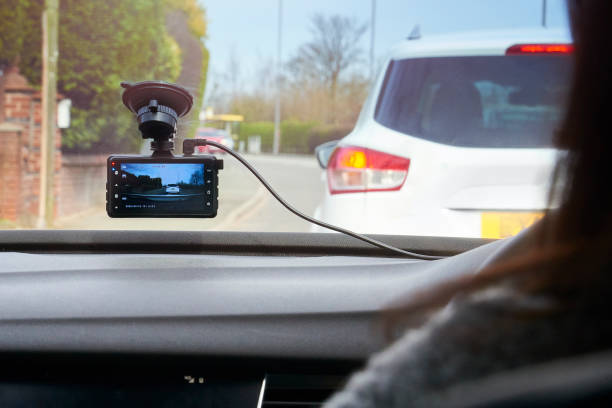
The brake system is one of the core components to ensure driving safety. Different brake types and electronic assistance systems will directly affect the braking performance of the vehicle. So, is your brake system safe enough? Today, we will take a deep look at the advantages and disadvantages of disc brakes, drum brakes and ABS to help you better understand how to choose and maintain the brake system.
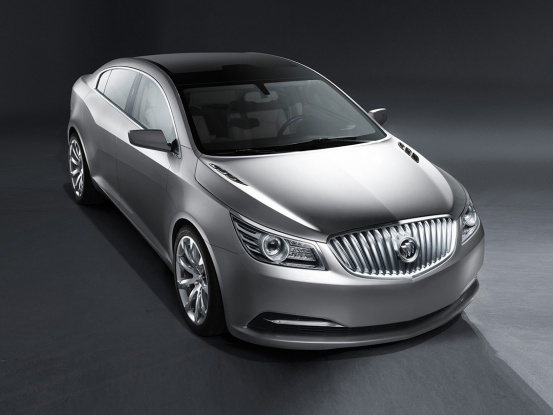
1. Which one is better for you, disc brakes or drum brakes?
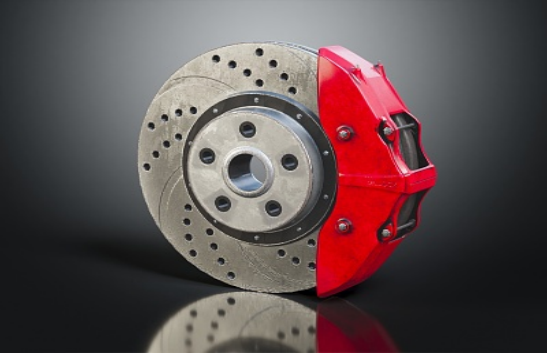
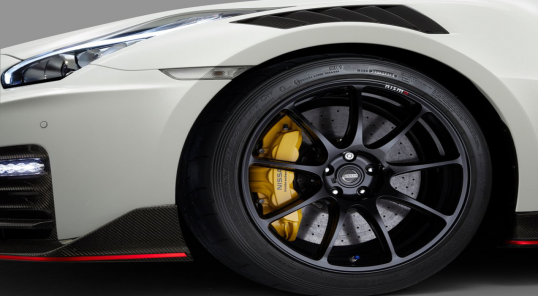
Disc brakes
Disc brakes are the mainstream braking system used in most modern vehicles, especially on the front wheels. They work by clamping the brake caliper against the brake disc to generate friction, thereby slowing down or stopping the vehicle. Disc brakes use an open design to dissipate heat faster and reduce brake thermal decay. The braking response is more stable at high speeds or during emergency braking. The drainage braking effect is more reliable in rainy days or on slippery roads. However, disc brakes are more expensive to manufacture and maintain than drum brakes. The brake disc is exposed and may be affected by sand and gravel or corrosion.
Drum brake
Drum brakes are a traditional braking system, commonly found on the rear wheels of economy vehicles. They brake by expanding the brake shoes outwards and rubbing against the inner wall of the brake drum. They have a simple structure and low maintenance costs. The closed design reduces external pollution and is suitable for low-intensity use. They are prone to overheating during long-term braking, resulting in reduced braking performance. They are not as sensitive as disc brakes during emergency braking or high-speed driving.
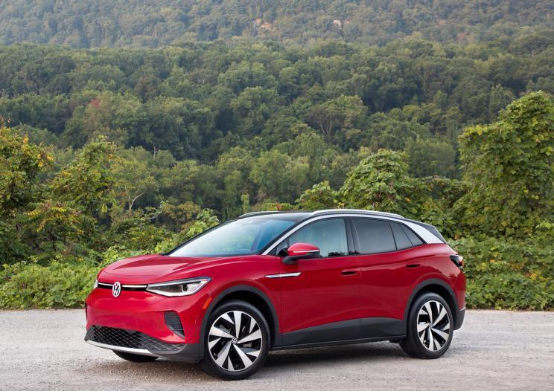
Disc brakes are superior in performance and safety, especially for vehicles traveling at high speeds or braking frequently. Drum brakes are more suitable for low-cost daily commuting vehicles, but modern vehicles are increasingly using four-wheel disc brakes to improve safety.
2. ABS Anti-lock Braking System
ABS is an electronically assisted braking system. Its main function is to prevent the wheels from locking during emergency braking, thereby maintaining the vehicle’s controllability and avoiding skidding. When the sensor detects that the wheels are about to lock, ABS will quickly adjust the brake pressure to keep the tires rolling so that the driver can still control the direction . It can reduce the risk of skidding, especially on slippery roads. In most cases, ABS can help the vehicle stop more stably. Even when braking suddenly, the driver can still adjust the direction to avoid obstacles .
3. How to ensure the safety of the braking system?
Regardless of which brake system your car is equipped with, regular inspection and maintenance are essential . Check the wear of the brake pads or brake shoes. If there is an unusual sharp metallic sound, it may mean that the brake pads are worn to the limit. If the brakes become soft or the pedal travel becomes longer, you may need to check the brake fluid or system for leaks. It is recommended to replace the brake fluid every 2 years or 30,000 kilometers to avoid moisture affecting the braking performance .
4. Conclusion
For high-performance cars or those that often drive at high speeds , disc brakes + ABS are the best choice. For economical commuter cars, drum brakes + ABS can still meet daily needs, but disc brakes are better. Old cars without ABS need to be driven more carefully to avoid sudden braking.