When driving on the vast highway, many car owners will think “the bigger the tank, the better”, thinking that this means longer driving range and fewer stops at gas stations. But is it really that simple? Let’s uncover the truth behind the range of fuel vehicles.

- Efficiency is the key
Under the same fuel consumption conditions, the larger the fuel tank capacity, the longer the driving distance on a single refueling. A 25mpg SUV equipped with a 20-gallon fuel tank has a theoretical range of 500 miles, while the same car with a 15-gallon fuel tank has a theoretical range of 375 miles .
- The hidden cost of a big fuel tank
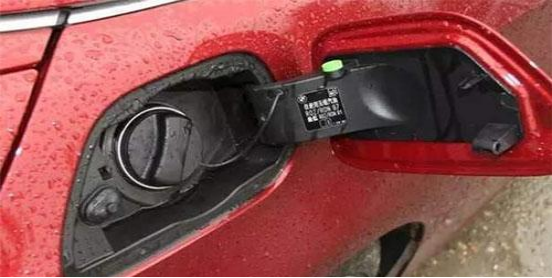
Each gallon of gasoline weighs about 6 pounds. A 20-gallon tank carries 60 pounds more weight than a 10-gallon tank when fully loaded, increasing fuel consumption over the long term , and the large tank takes up space in the trunk or back seat, affecting practicality . Large tanks increase vehicle manufacturing costs, which are ultimately passed on to consumers . More fuel storage increases the risk of leaks and encourages carrying too much fuel at one time .
According to the U.S. Bureau of Transportation Statistics , the average American drives about 40 miles a day , and even a regular car with a 10-gallon tank can support 300 miles of driving, which is enough to meet a week’s commuting needs . When traveling long distances, the U.S. gas station network is dense, with an average of one gas station every 50 miles .
- How to really improve battery life?
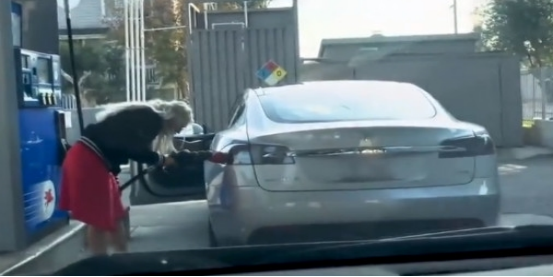
Compared with simply pursuing a larger fuel tank, the following methods can more effectively improve the driving experience . Technologies such as turbocharging and hybrid power significantly improve mpg . Regular maintenance and proper tire pressure can improve fuel efficiency by 5-10% , avoid sudden acceleration/sudden braking, control high-speed cruise control below 65mph , and remove unnecessary heavy objects from the car .
- Why do pickup trucks need big fuel tanks?
The best-selling pickup trucks in the United States are usually equipped with large fuel tanks of more than 30 gallons. The fuel consumption may drop below 15mpg when towing a trailer . The workplace may be far away from the gas station , which meets the continuous operation needs of commercial users . However, for ordinary commuters, this configuration is often excessive .
- Car buying advice
Calculate your typical weekly mileage , check the vehicle’s real fuel consumption data , and choose a tank capacity that allows you to refuel no more than once a week , giving priority to fuel efficiency rather than simply tank size . The right one is the best. The psychological security brought by a large tank often masks the actual cost in daily use. In an era of volatile energy prices and increasing environmental awareness, efficient use is wiser than simple hoarding.