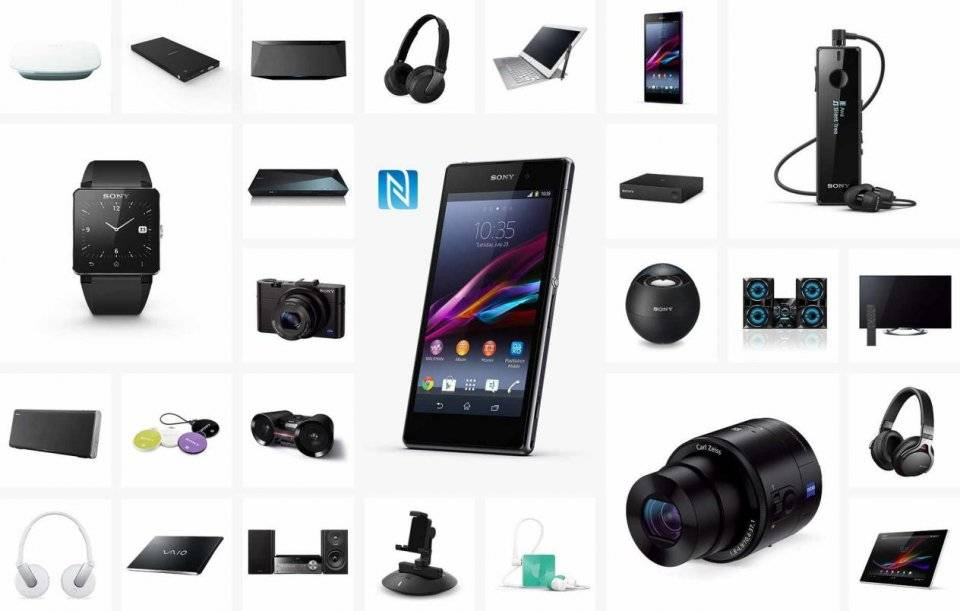
From the iconic Walkman that redefined personal audio to the PlayStation that dominates interactive entertainment, Sony has long been a titan of consumer and professional electronics. The company’s strength lies not just in individual product excellence but in its sprawling, interconnected ecosystem. This guide provides a full analysis of Sony’s key product lines, exploring the underlying technology, strategic vision, and how each piece fits into a larger, unified experience.
Mastering the Living Room: Sony’s Audio-Visual Entertainment
Sony’s presence in the home is built on a foundation of superior audio and visual technology. This segment is where the company’s engineering prowess translates directly into immersive entertainment experiences, setting industry benchmarks for quality and innovation.
Bravia TVs: The Pinnacle of Display Technology
The Bravia line represents Sony’s commitment to picture perfection. More than just screens, these televisions are sophisticated processing hubs. At their core is the Cognitive Processor XR, which understands how humans see and hear to create incredibly realistic images and soundscapes. Key technologies like Triluminos Pro displays offer a wider color gamut, while Full Array LED and OLED panels provide exceptional contrast and brightness, making Bravia a top choice for cinephiles and home theater enthusiasts.
High-Resolution Audio: A Deep Dive into Sony’s Sound
Sony has been a pioneer in audio for decades. Today, its focus is on High-Resolution Audio, a standard that captures music at a higher rate than CD quality. Products like the WH-1000XM series headphones and premium Walkman players are engineered to reproduce the full range of sound from recordings that have been mastered from original analog sources. Technologies like LDAC for wireless transmission and DSEE Extreme for upscaling compressed files ensure the best possible listening experience across their audio lineup.
Capturing Reality: Sony’s Digital Imaging Dominance
In the world of photography and videography, Sony has transformed from a market challenger to the undisputed leader, particularly in the mirrorless camera segment. This dominance is built on their vertical integration—they design and manufacture their own world-class image sensors.
The Alpha Series: Revolutionizing Mirrorless Cameras
The Alpha (α) series is the crown jewel of Sony’s imaging division. By pioneering full-frame mirrorless technology, Sony offered photographers a lighter, faster, and more technologically advanced alternative to traditional DSLRs. The heart of these cameras is the Exmor R CMOS sensor, renowned for its low-light performance and dynamic range. Combined with the BIONZ XR image processor, Alpha cameras deliver lightning-fast autofocus, real-time eye tracking for humans and animals, and professional-grade video capabilities, making them a favorite among professionals and serious hobbyists alike.
Cyber-shot: Compact Power for Everyone
While the Alpha series targets enthusiasts, the Cyber-shot line brings Sony’s imaging expertise to the compact camera market. These cameras, particularly the RX100 series, pack large 1-inch sensors into pocketable bodies, offering a significant leap in image quality over smartphones. They are perfect for travel, vlogging, and everyday photography where convenience cannot compromise quality.
Beyond Entertainment: The PlayStation Phenomenon
Arguably Sony’s most influential brand, PlayStation has defined console gaming for generations. It’s more than just hardware; it’s a complete entertainment platform encompassing games, services, and a global community.
Evolution of a Gaming Giant: From PS1 to PS5
Each PlayStation console has marked a significant technological leap. The latest, the PlayStation 5, introduced a custom ultra-high-speed SSD that virtually eliminates loading times, a DualSense controller with advanced haptic feedback, and 3D Audio technology for immersive sound. This focus on next-generation experience keeps PlayStation at the forefront of the gaming industry.
The PlayStation Network and Digital Ecosystem
The hardware is supported by the PlayStation Network (PSN), a robust digital service offering online multiplayer, the PlayStation Store for digital games, and subscription services like PlayStation Plus. This ecosystem locks users in by providing continuous value, exclusive content, and a seamless social experience.
Powering Professionals: Sony’s B2B Solutions
Beyond the consumer market, Sony is a critical supplier of professional equipment to various industries. This B2B division leverages the same core technologies—sensors, processors, and displays—but engineers them for mission-critical applications.
In the Director’s Chair: Broadcast and Cinema Equipment
Sony’s professional cameras, such as those in the VENICE and FX lines, are used to shoot blockbuster movies and broadcast major live events. These systems offer unparalleled image quality, color science, and workflow integration for the most demanding production environments.
Precision in Practice: Sony’s Medical Technology
In the medical field, Sony’s technology is used in surgical monitors, 4K endoscopic cameras, and medical-grade printers. The high resolution and color accuracy of their displays and sensors are vital for providing doctors with clear, precise visuals during critical procedures.
Expert Tips for Maximizing Your Sony Gear
Owning Sony products is one thing; getting the most out of their interconnected features is another. Here are some pro tips to enhance your experience.
- Calibrate Your Bravia TV: Use the “Custom” or “Cinema” picture mode as a starting point. These modes are typically the most color-accurate out of the box. Turn off most motion smoothing features for a more natural, film-like image.
- Pair with the Right Audio: To experience 360 Reality Audio or the full benefits of High-Resolution sound, pair your Sony headphones or speakers with compatible sources like Tidal or Amazon Music HD.
- Master the Alpha Fn Menu: Customize the Function (Fn) menu on your Alpha camera with your most-used settings (e.g., ISO, Focus Area, White Balance). This will dramatically speed up your shooting workflow.
- Leverage the PlayStation App: Use the official app to manage your game library, chat with friends, and even start downloads to your console remotely, so your games are ready when you are.
Sony Product Tiers: Consumer vs. Professional
Understanding the key differences between Sony’s consumer and professional lines can help you appreciate the engineering and cost involved. While they often share core technology, the application and build quality differ significantly.
| Feature | Consumer (e.g., Alpha a7 IV) | Professional (e.g., Sony VENICE) |
|---|---|---|
| Primary Use Case | Enthusiast photography, vlogging, independent video | Major motion pictures, high-end commercial production |
| Build & Durability | Magnesium alloy frame, weather-sealed | Fully modular, ruggedized chassis for harsh sets |
| Sensor & Recording | High-resolution stills, compressed 4K video (e.g., XAVC S) | Full-frame 6K/8K sensor, uncompressed RAW recording |
| Connectivity & I/O | HDMI, USB-C, Wi-Fi, Bluetooth | SDI outputs, Timecode, Genlock, extensive power options |
| Price Point | $2,000 – $4,000 (Body) | $40,000+ (Body only, without licenses or accessories) |
Frequently Asked Questions (FAQ)
-
What is the “One Sony” strategy I keep hearing about?
- “One Sony” is an internal corporate strategy aimed at increasing collaboration between Sony’s different divisions (Electronics, Entertainment, Pictures, Music). The goal is to leverage content from its movie and music studios to sell hardware, and use its hardware technology to create better entertainment experiences, creating a powerful, self-reinforcing ecosystem.
-
Are Sony Alpha cameras good for beginners?
- Yes, while they are known for their professional features, the a6000 series (e.g., a6100, a6400) offers an excellent entry point into the Alpha ecosystem. They feature Sony’s fantastic autofocus technology in a more compact and affordable package, allowing new photographers to grow without immediately needing to upgrade their camera body.
-
Is High-Resolution Audio noticeably better than MP3 or streaming?
- For most people using high-quality equipment, the difference is noticeable. High-Resolution Audio contains more data, resulting in greater detail, depth, and dynamic range. The difference is most apparent in quiet, complex passages of music. To get the full benefit, you need a high-res audio file, a compatible player (like a Walkman or certain smartphones), and quality headphones or speakers.
-
Why are Bravia TVs often more expensive than competitors with similar specs?
- The premium price often comes down to Sony’s proprietary image processing. The Cognitive Processor XR is a significant differentiator, performing real-time analysis and enhancement of picture and sound that goes beyond standard panel specifications. This advanced processing results in superior color accuracy, motion handling, and upscaling of lower-resolution content.
-
Can I use non-Sony lenses on my Alpha camera?
- Absolutely. One of the greatest strengths of Sony’s E-mount system is its openness. Major third-party manufacturers like Sigma, Tamron, and Viltrox produce a wide range of high-quality, affordable lenses for the system, giving users incredible flexibility and choice beyond Sony’s own G Master and G series lenses.
Editorial notice: Independent editorial content. Brand, platform, and company names are used for context only; this site is not affiliated with, endorsed by, or authorized by Sony, Tencent, Apple, Samsung, Dell, or any other mentioned rights holder.