In the modern digital landscape, choosing a smartphone is no longer a localized decision; it is the entry point into a comprehensive lifestyle ecosystem. The rivalry between Apple and Samsung has evolved from hardware specifications to a battle of seamless integration. Consumers today are not just buying a device; they are investing in a network of wearables, smart home appliances, and cloud services that dictate their daily efficiency and digital comfort.
The “Ecosystem Effect” refers to the synergy created when multiple devices from the same brand work together to provide a user experience that is greater than the sum of its parts. For Apple, this is defined by a “Walled Garden” approach—tightly controlled, highly secure, and incredibly fluid. For Samsung, the strategy is one of “Open Versatility,” leveraging a massive range of hardware from refrigerators to smartphones, all unified under the SmartThings banner.
The Foundation of Ecosystem Connectivity
The core of any ecosystem is how well devices communicate. Apple utilizes proprietary protocols like AirDrop, Handoff, and Continuity to ensure that a task started on an iPhone can be finished on a Mac or iPad without friction. This vertical integration is possible because Apple designs both the hardware and the software, allowing for deep-level optimization that competitors often struggle to match.
The Continuity Factor
Apple’s Continuity features allow for a Universal Clipboard, where you can copy text on your iPhone and paste it on your MacBook. This level of synchronization extends to phone calls and text messages, which can be answered from any device in the vicinity. This creates a cohesive environment where the physical device becomes secondary to the user’s data and workflow.
Samsung’s SmartThings Hub
Samsung approaches connectivity through the SmartThings platform. Unlike Apple, Samsung is one of the world’s largest appliance manufacturers. This means your Samsung ecosystem can include your washing machine, air conditioner, and refrigerator. The SmartThings app acts as a centralized command center, offering a level of “Whole Home” automation that Apple’s HomeKit is still catching up to in terms of sheer device variety.
| Feature | Apple Ecosystem | Samsung Ecosystem |
|---|---|---|
| Core Philosophy | Walled Garden (Curated) | Open Connectivity (Inclusive) |
| Primary Protocol | HomeKit / iCloud | SmartThings / Samsung Cloud |
| Device Variety | High-end Personal Tech | Vast (Appliances + Tech) |
| Interoperability | Strictly Apple Devices | Broad Android Support |

Wearable Technology: Apple Watch vs. Galaxy Watch
Wearables are the most intimate part of the ecosystem. The Apple Watch has long been the gold standard for health tracking and notification management. Its integration with iOS is so deep that it is often cited as the primary reason users refuse to switch to Android. From the ECG app to fall detection, the Apple Watch serves as a proactive health monitor that feeds data directly into the Apple Health app.
Health Data and Privacy
Apple’s focus on privacy is a major selling point for its wearables. All health data is encrypted on-device and in iCloud, ensuring that sensitive biometric information remains under the user’s control. This commitment to security builds a high level of trust, which is essential for devices that monitor heart rates and sleep patterns 24/7.
The Samsung Galaxy Watch Versatility
The Samsung Galaxy Watch series, running on Wear OS (developed in partnership with Google), offers a more traditional aesthetic with its circular watch face and rotating bezel. It excels in customization, allowing users to choose from thousands of watch faces and third-party apps. Furthermore, Samsung’s BioActive Sensor provides a comprehensive body composition analysis (BIA), giving users insights into body fat percentage and skeletal muscle mass—a feature currently absent from the Apple Watch.
Smart Home Infrastructure: HomeKit vs. SmartThings
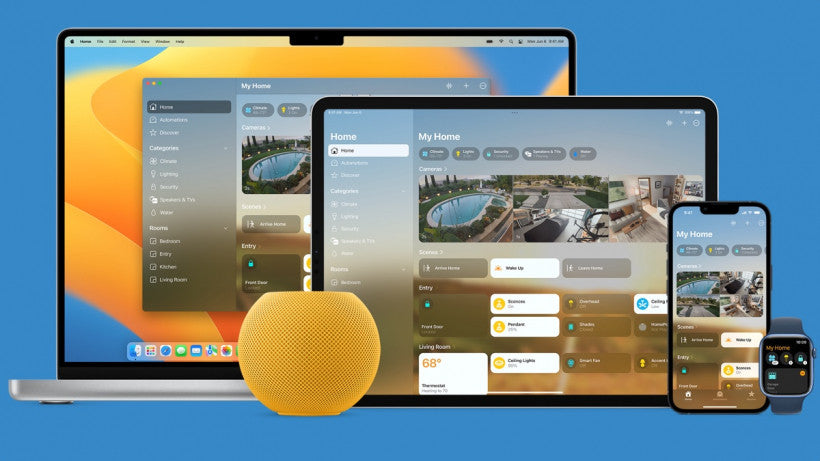
The battle for the living room is fought through smart home protocols. Apple HomeKit focuses on ease of use and security. Every HomeKit-certified device must undergo rigorous testing by Apple to ensure it meets privacy standards. The “Home” app provides a clean, unified interface to control lights, thermostats, and locks, with Siri acting as the primary voice interface.
Matter and the Future of Interoperability
Both Apple and Samsung have embraced “Matter,” the new industry standard for smart home connectivity. Matter allows devices from different manufacturers to work together seamlessly. This is a strategic shift that benefits the consumer, as it reduces the risk of “vendor lock-in.” However, the native experience within each ecosystem—such as Apple’s HomePod Mini acting as a Thread Border Router—remains the most stable way to manage a smart home.
Pro Tips for Ecosystem Optimization
- Choose Your Hub First: Before buying smart bulbs or plugs, decide if you prefer Siri, Alexa, or Google Assistant. This prevents “app fatigue” where you need five different apps to turn off your lights.
- Check for Thread Support: When buying new smart home gear, look for “Thread” compatibility. It is faster and more reliable than Bluetooth or Wi-Fi for small devices.
- Leverage Family Sharing: Both ecosystems offer family plans for storage and services. Apple One and Samsung’s family features can significantly lower the monthly cost of subscriptions.
Investment Strategy: Long-term Value and Sustainability
When investing in an ecosystem, consider the resale value and software longevity. Apple devices historically hold their value better than almost any other consumer electronics. A three-year-old iPhone or Apple Watch can still command a high price on the used market. Additionally, Apple provides software updates for 5-7 years, ensuring your “investment” remains secure and functional for a long duration.
Samsung’s Aggressive Innovation
Samsung often leads the market in hardware innovation, such as foldable screens and advanced zoom lenses. While their devices may depreciate faster than Apple’s, Samsung frequently offers aggressive trade-in deals and bundles. If you enjoy being on the absolute “bleeding edge” of hardware design, the Samsung ecosystem provides more frequent and radical hardware refreshes.
The Technical Checklist for Buyers
- Confirm cross-device clipboard functionality.
- Verify cloud storage pricing tiers (iCloud+ vs. OneDrive/Samsung).
- Assess the availability of local repair centers (Apple Store vs. Samsung Authorized Centers).
- Check compatibility with existing smart home hardware.
Frequently Asked Questions (FAQ)
- Can I use an Apple Watch with a Samsung phone?
- Technically, no. The Apple Watch requires an iPhone for initial setup and for most of its core functionality. While there are “workarounds” involving cellular models, the experience is severely limited and not recommended for most users.
- Which ecosystem is better for home automation?
- Samsung SmartThings generally supports a wider range of third-party devices and appliances. However, if security and simplicity are your top priorities, Apple HomeKit offers a more curated and private experience.
- Is iCloud more secure than Samsung Cloud?
- Apple’s iCloud uses end-to-end encryption for more categories of data, especially with “Advanced Data Protection” enabled. Samsung also offers robust security through its Knox platform, but Apple’s privacy-first marketing reflects a deeper systemic focus on user data isolation.
- Do I have to pay a monthly fee for these ecosystems?
- Both offer free basic tiers, but to get the most out of them (like full cloud backups and sync), you will likely need a subscription. Apple One bundles music, TV, and storage, while Samsung relies on Google One or Microsoft OneDrive for cloud storage integration.
- Will “Matter” make the ecosystem choice irrelevant?
- Matter will make it easier for hardware to talk to each other, but the “experience layer” (the apps, the voice assistant, and the UI) will still be brand-specific. You will still benefit from staying within one ecosystem for the best user interface experience.
Editorial notice: Independent editorial content. Brand, platform, and company names are used for context only; this site is not affiliated with, endorsed by, or authorized by Sony, Tencent, Apple, Samsung, Dell, or any other mentioned rights holder.