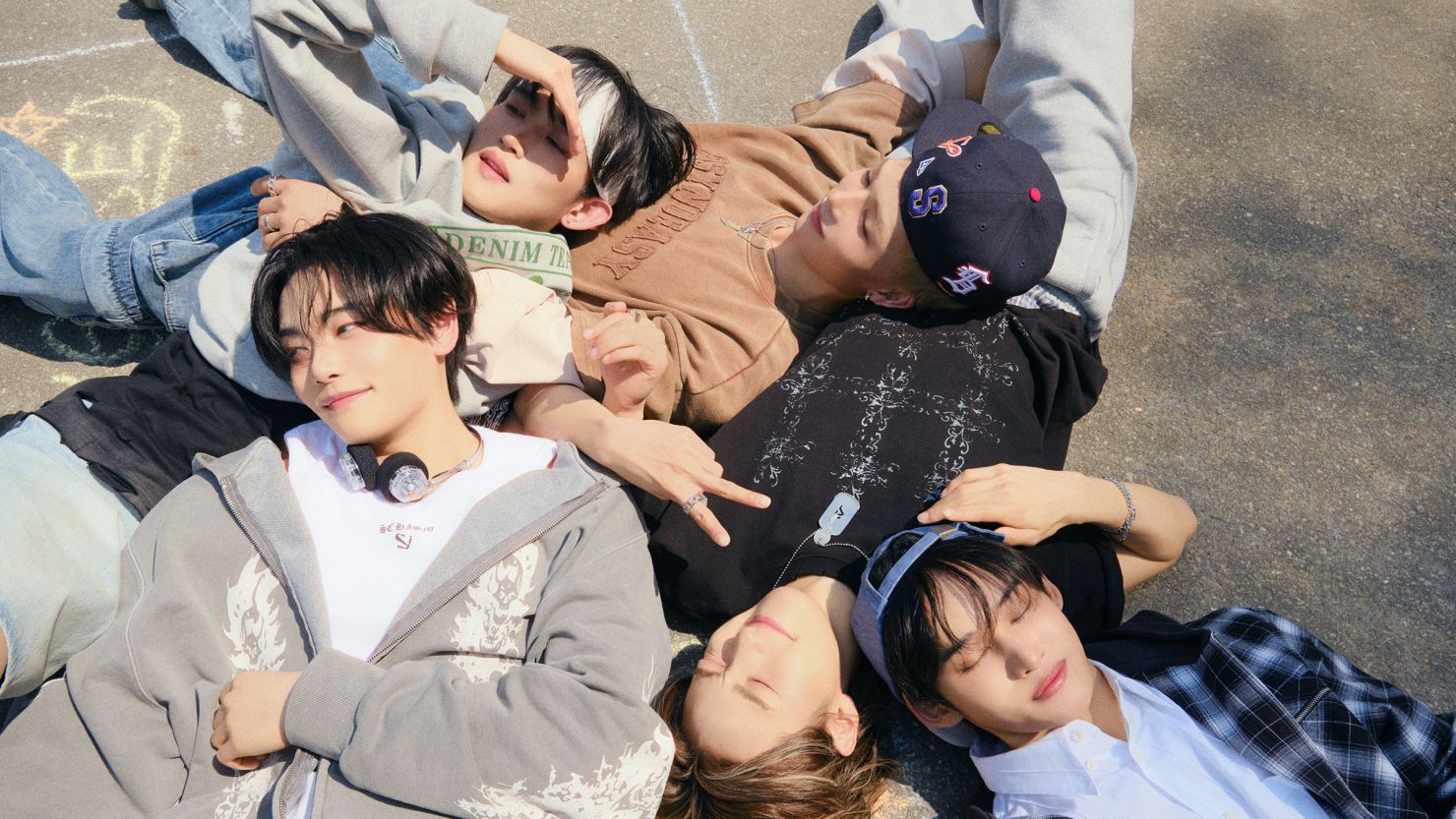
The landscape of global entertainment has undergone a seismic shift over the past few decades. No longer are audiences passive consumers of media; they are active participants, dedicated advocates, and powerful community builders. To truly understand the modern pop culture ecosystem, one must examine the diverse pillars that support it. From the meticulously crafted evolution of South Korean pop music to the complex psychology of modern fandoms, and from the groundbreaking achievements of Hollywood trailblazers to the comforting nostalgia of long-running animated franchises, the threads of contemporary media are deeply intertwined. This comprehensive guide dissects these cultural milestones, offering an unprecedented look into the forces that dominate our screens, playlists, and social media feeds.
The Dynamic Evolution of K-Pop: From First to Fifth Generation Groups
The global phenomenon of Korean Pop music, affectionately known as K-pop, was not an overnight success. It is the result of decades of strategic evolution, blending rigorous training systems, cutting-edge production, and unparalleled visual storytelling. To comprehend the magnitude of K-pop’s current global dominance, one must trace its lineage through its distinct generational eras, each characterized by unique technological advancements and shifting audience engagement models.
The Foundation: First and Second Generations
The genesis of modern K-pop, often referred to as the First Generation (mid-1990s to early 2000s), was spearheaded by groups like H.O.T., S.E.S., and Sechs Kies. These pioneering acts laid the groundwork for the idol system, introducing synchronized choreography and genre-blending music that resonated deeply with South Korean youth. The focus during this era was primarily domestic, establishing the template for fan clubs and agency-managed talent.
The transition into the Second Generation (mid-2000s to early 2010s) marked the beginning of the “Hallyu” (Korean Wave) expanding across Asia. Legendary groups such as BIGBANG, Girls’ Generation, Super Junior, and 2NE1 broke regional barriers. This era was defined by highly addictive “hook songs,” iconic point choreography, and the initial integration of digital platforms like YouTube, which allowed international audiences their first glimpse into the polished world of K-pop.
Global Domination: Third and Fourth Generations
The Third Generation (early 2010s to late 2010s) witnessed K-pop’s explosion onto the Western mainstream. Acts like BTS, BLACKPINK, EXO, and TWICE leveraged the immense power of social media—particularly Twitter and Instagram—to cultivate massive, highly organized global fandoms. This generation prioritized self-production, complex lore, and storytelling, transforming music releases into multimedia cinematic experiences.
Building upon this success, the Fourth Generation (late 2010s to early 2020s)—featuring groups like Stray Kids, TXT, ITZY, and NewJeans—adapted to the fast-paced, algorithm-driven world of TikTok and short-form video. These groups focus heavily on performance intensity, viral dance challenges, and a more experimental, genre-fluid approach to music production, ensuring their content is instantly shareable and visually arresting.
The Virtual Frontier: Fifth Generation Innovations
We are currently witnessing the dawn of the Fifth Generation, an era that aggressively blurs the lines between reality and the digital realm. This generation is characterized by the integration of Artificial Intelligence, virtual avatars, and the metaverse. Groups are debuting with both human and AI members, offering fans unprecedented, 24/7 interactive experiences that transcend physical limitations.
| Generation | Timeframe | Defining Characteristics | Key Representative Groups |
|---|---|---|---|
| First Gen | Mid-1990s – Early 2000s | Establishment of idol trainee system, domestic focus, physical album sales. | H.O.T., S.E.S., Shinhwa |
| Second Gen | Mid-2000s – Early 2010s | Asian expansion (Hallyu Wave), hook songs, early digital streaming. | BIGBANG, Girls’ Generation |
| Third Gen | Early 2010s – Late 2010s | Global breakthrough, social media dominance, intricate universe lore. | BTS, BLACKPINK, EXO |
| Fourth Gen | Late 2010s – Early 2020s | TikTok virality, performance-centric, experimental soundscapes. | Stray Kids, NewJeans, TXT |
| Fifth Gen | Mid-2020s – Present | AI integration, metaverse expansion, hyper-interactive virtual idols. | PLAVE, ZEROBASEONE |

Unpacking the Stan Phenomenon: From Obsession to Community
The exponential growth of industries like K-pop cannot be discussed without analyzing the engine that drives them: the fandoms. Over the past two decades, the concept of being a fan has evolved into the “stan” phenomenon. Originally coined by Eminem in his 2000 hit song “Stan”—portraying an overly obsessed, dangerous fan—the term has been reclaimed by pop culture enthusiasts to signify a level of dedication that goes far beyond casual listening or viewing.
The Etymology and Psychology of “Stanning”
At its core, “stanning” is rooted in parasocial relationships—one-sided psychological bonds where fans feel a deep, personal connection to a celebrity or fictional character who is completely unaware of their existence. While traditional media historically viewed these relationships with skepticism, modern psychology recognizes them as a natural byproduct of our hyper-connected digital age. Celebrities now share intimate details of their lives via live streams and social media updates, fostering an illusion of proximity and friendship that fuels intense loyalty.
Navigating the Spectrum: Toxic Fandom vs. Healthy Engagement
The stan phenomenon exists on a broad spectrum. On the negative end, toxic fandom can manifest as cyberbullying, doxxing, and fan wars—where rival groups attack each other to prove their idol’s superiority. This dark side of stan culture often stems from a collective identity crisis, where a fan’s self-worth becomes inextricably linked to the commercial success and public perception of the artist they support.
Conversely, the positive end of the spectrum reveals a highly organized, supportive, and emotionally nurturing community. Healthy stan culture provides a sense of belonging, especially for marginalized individuals who may feel isolated in their offline lives. These digital communities share art, translate content, provide emotional support, and celebrate shared passions with unparalleled enthusiasm.
- Identity Formation: For many teenagers and young adults, participating in stan culture is a crucial step in exploring their values, aesthetics, and social dynamics.
- Creative Output: Fandoms are massive engines of creativity, producing fan fiction, digital art, video edits, and critical essays that enrich the original media ecosystem.
- Global Networking: Stans routinely cross language barriers and geographical borders, creating diverse, multicultural friendships united by a single point of interest.

The Intersection of Fandom and Digital Activism
Perhaps the most fascinating evolution of stan culture is its pivot toward digital activism and philanthropy. Modern fandoms are not just consumer demographics; they are highly organized, decentralized networks capable of mobilizing massive resources in a matter of hours. This shift has transformed stans from mere consumers into formidable socio-political forces.
Mobilizing for Social Causes
Fandoms, particularly within the K-pop sphere, have repeatedly demonstrated their ability to hijack trending hashtags to drown out hate speech, raise millions of dollars for disaster relief, and organize global charity drives in their idols’ names. By utilizing the same coordinated streaming and voting tactics they use to win music show awards, these communities can effectively manipulate digital algorithms for the greater good.
This philanthropic mobilization serves a dual purpose. First, it creates tangible positive change in the real world. Second, it serves as a public relations mechanism for the fandom itself, actively combating the outdated stereotype of fans as hysterical, frivolous consumers. By aligning their collective power with progressive social causes, modern stans are redefining what it means to be an active participant in global culture.

Halle Berry’s Peak Era: Films That Defined a Hollywood Legacy
While the music industry relies heavily on collective fandoms, the cinematic world is often anchored by the singular, magnetic power of iconic actors. When examining the evolution of modern Hollywood, Halle Berry’s peak era stands out as a transformative period. Breaking through systemic barriers, Berry delivered a series of standout performances that not only defined her career but also reshaped the landscape for women of color in leading roles.
Shattering the Glass Ceiling: Monster’s Ball (2001)
The undisputed crown jewel of Halle Berry’s career is her raw, emotionally devastating performance as Leticia Musgrove in Monster’s Ball. Portraying a grief-stricken widow navigating poverty, racism, and a complex relationship with a racist prison guard, Berry delivered a masterclass in vulnerability. This role culminated in her historic Academy Award win for Best Actress—making her the first, and for over two decades the only, Black woman to achieve this honor. This victory was a watershed moment in cinema, proving that stories centered on the nuanced, unvarnished experiences of Black women could achieve the highest levels of critical acclaim.
Blockbuster Dominance: X-Men (2000) and Die Another Day (2002)
Simultaneous to her dramatic triumphs, Berry proved her immense value as a global box-office draw. Her portrayal of the mutant superhero Storm in the X-Men franchise helped legitimize the comic book movie genre long before the Marvel Cinematic Universe existed. Berry brought a regal, commanding presence to the role, making Storm a fan-favorite and an essential pillar of the multi-billion-dollar franchise.
In 2002, she redefined the “Bond Girl” archetype in Die Another Day. As Jinx Johnson, Berry was not merely a damsel in distress but a highly capable, lethal NSA agent who stood toe-to-toe with James Bond. Her iconic emergence from the ocean in an orange bikini paid homage to Ursula Andress, but her action sequences and sharp wit modernized the franchise for a new millennium.
Redefining the Thriller Genre: Swordfish and Gothika
During this prolific era, Berry also dominated the psychological and action thriller genres. Her roles in films like Swordfish (2001) and Gothika (2003) showcased her versatility. Whether playing a mysterious, morally ambiguous operative or a brilliant psychiatrist trapped in a supernatural nightmare, Berry consistently anchored complex narratives, proving her ability to carry high-stakes, commercial cinema solely on her star power.

Breaking Barriers: Diversity and Representation in Cinema
The impact of Halle Berry’s peak era extends far beyond box office receipts and award statues. Her success served as a critical battering ram against Hollywood’s entrenched racial and gender biases. By proving that a woman of color could simultaneously be a prestige dramatic actress, an action star, and a sex symbol, Berry forced the industry to expand its narrow definitions of marketability.
Paving the Way for Future Generations
The doors opened by Berry’s trailblazing career allowed subsequent generations of diverse actors to step into leading roles with less friction. Her unapologetic demand for complex, multi-dimensional characters set a new standard for representation. Today’s cinematic landscape, which slowly but steadily embraces diverse storytelling, owes a massive debt to the foundational work laid down during Berry’s dominant run in the early 2000s. She transformed the “token” role into the “titular” role, forever altering the trajectory of modern film.

Toy Story 5: Forky’s Return and the Mastery of Nostalgia
Just as actors build legacies and musicians cultivate fandoms, animation studios rely on the enduring power of nostalgia and franchise storytelling to capture audiences across generations. Pixar’s announcement of Toy Story 5 is a testament to the cultural permanence of Woody, Buzz, and the gang. However, the confirmed return of the wildly popular character Forky highlights a brilliant strategic shift in how modern franchises maintain their relevance.
The Existential Brilliance of Forky
Introduced in Toy Story 4, Forky—a spork with googly eyes and pipe cleaner arms suffering from a severe existential crisis—was a massive departure from the traditional, polished toys of the franchise. Believing himself to be “trash” rather than a toy, Forky’s hilarious yet profound journey of self-discovery resonated deeply with both children and adults. His inclusion introduced themes of purpose, mental health, and the inherent value of existence, wrapped in an easily digestible, comedic package.
Forky’s return in Toy Story 5 signals Pixar’s commitment to exploring deeper, more complex emotional landscapes. Rather than simply recycling old tropes, the studio uses characters like Forky to ask philosophical questions, ensuring that the narrative matures alongside its aging audience while remaining accessible to new, younger viewers.
Balancing Legacy with New Adventures
The true mastery of the Toy Story franchise lies in its delicate balance between honoring its legacy and pushing the boundaries of its universe. Toy Story 5 faces the monumental task of justifying its existence after two previously acclaimed “final” conclusions. By centering new adventures around breakout characters like Forky, while keeping the beloved core cast intact, Pixar crafts a multi-generational viewing experience. Parents who grew up with the original 1995 film can share the theater with their children, united by a shared cultural touchstone that continuously reinvents itself without losing its soul.

The Future of Global Entertainment and Audience Engagement
As we synthesize the evolution of K-pop, the mobilization of stan culture, the cinematic milestones of icons like Halle Berry, and the nostalgic mastery of franchises like Toy Story, a clear picture of the future emerges. The boundaries between different mediums of entertainment are rapidly dissolving. We are entering an era of transmedia storytelling, where a single intellectual property must engage audiences across music, film, digital platforms, and virtual reality.
Convergence of Mediums
The successful entertainment entities of tomorrow will be those that understand the holistic nature of modern consumption. Film studios are learning from K-pop agencies about how to cultivate dedicated, year-round fandoms rather than relying solely on opening weekend box office numbers. Conversely, music artists are adopting cinematic universe-building techniques to give their albums the narrative weight of blockbuster films.
Ultimately, the power has shifted irreversibly into the hands of the audience. Whether it is stans rallying for social justice, moviegoers demanding authentic representation, or fans embracing the existential quirks of an animated spork, the global entertainment ecosystem is now a collaborative dialogue. The future of pop culture will be defined not just by what is produced, but by how passionately
Written By

More From Author
Hardware Briefing Index
A quick orientation to dash cam, consumer electronics, business tech, automotive technology, and computer hardware…

The Ultimate Guide to Troubleshooting and Optimizing Dash Cam Video Playback on Your Computer
Dash cam footage is invaluable for insurance claims, incident reporting, and personal security, yet encountering…

Ultimate Guide to Choosing and Using a Car Dash Cam
A comprehensive guide on selecting, installing, and utilizing modern dash cams for full-vehicle coverage, accident…